2026 Best PET Clear Sheet for Global Buyers?
Choosing the 2026 Best PET Clear Sheet requires more than comparing gloss, price, or catalog photographs. Global buyers need measurable clarity, stable thickness, impact resistance, and consistent thermoforming performance. A sheet may look crystal clear under showroom lighting, yet show haze after heating or poor trimming on a production line.
The OECD Global Plastics Outlook reports that global plastic waste more than doubled from 2000 to 2019, reaching 353 million tonnes. Packaging represented about 40% of that waste. This pressure is reshaping PET purchasing decisions. Buyers increasingly examine recycled content, traceability, recyclability, and verified food-contact documentation. Smithers’ PET packaging research also highlights continued demand for lightweight, transparent, and more circular packaging materials through the decade.
David Cornell, a longtime PET recycling specialist and former technical director at the Association of Plastic Recyclers, has described PET as “the most recycled plastic in the world.” His statement offers useful context, but it does not guarantee that every Pet Clear Sheet is equally recyclable. Manufacturing quality still matters. So do additives, coatings, colorants, and local recycling systems.
This guide evaluates Pet Clear Sheet options for global procurement teams. It considers thickness tolerance, haze, gloss, tensile strength, thermal stability, surface protection, and customization. It also reviews supplier audits, test certificates, packaging conditions, and regional compliance needs. These details can prevent costly surprises, such as scratched sheets inside sealed cartons or inconsistent forming during peak production.
No supplier comparison is perfect. Buyers should test samples under real conditions before placing large orders. That practical step remains easy to overlook.
What Is PET Clear Sheet and Why Does It Matter in 2026?
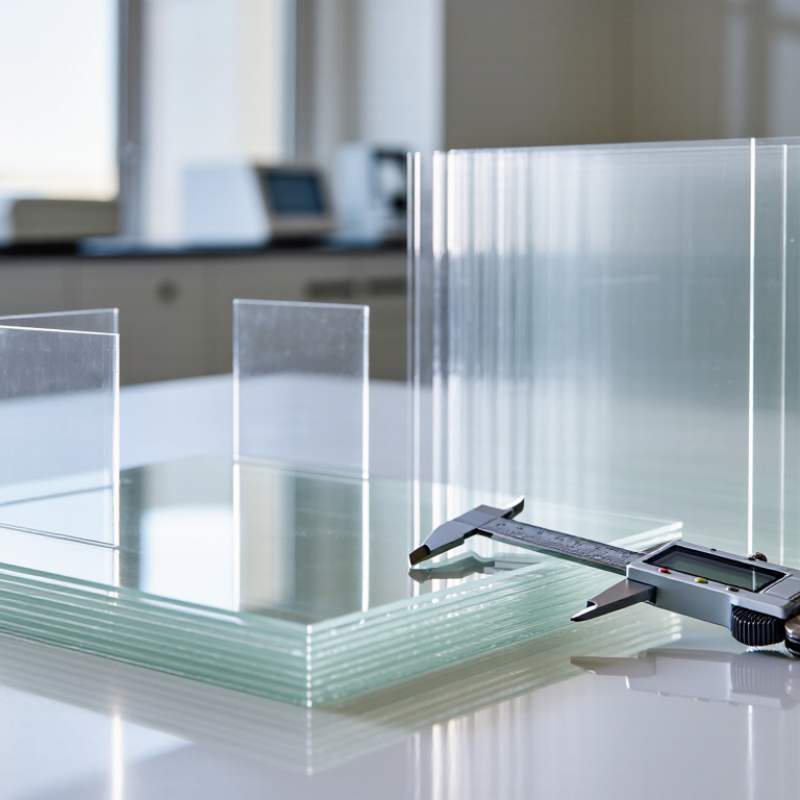
PET clear sheet is a transparent, thermoplastic polyester material made from polyethylene terephthalate. It combines visible clarity, stiffness, low weight, and reliable thermoforming performance. Converters use it for packaging trays, covers, displays, and protective components. In practical trials, surface scratches and haze often appear before buyers notice them in a catalog image. That detail matters.
Demand also reflects wider material pressure. Grand View Research estimated the global PET market at about USD 27.75 billion in 2023, with continued growth expected through 2030. The OECD Global Plastics Outlook reported 353 million tonnes of plastic waste in 2019, while only 9% was recycled. These figures explain why recycled PET content, traceable feedstock, and stable processing are becoming important purchasing criteria for 2026.
Clear does not always mean suitable. Buyers should check thickness tolerance, haze, gloss, impact strength, forming temperature, and food-contact documentation when relevant. Recycled content may slightly change color or processing behavior. That trade-off needs honest testing. A supplier’s technical data sheet is useful, but independent samples reveal more. Small differences matter. A 0.1-millimeter variation can affect forming depth, sealing, or final appearance. Standards and certificates support reliability, yet they cannot replace batch inspection and clear communication about application limits.
2026 Best PET Clear Sheet for Global Buyers? — What Is PET Clear Sheet and Why Does It Matter in 2026?
PET clear sheet is a transparent thermoplastic sheet made from polyethylene terephthalate. It is valued for its clarity, dimensional stability, impact resistance, recyclability, and suitability for packaging, printing, thermoforming, and protective applications.
Calculated PET Clear Sheet Mass by Thickness
The chart shows the theoretical mass per square metre for solid PET clear sheet at different nominal thicknesses. Mass increases directly with thickness, which matters to global buyers because it affects freight weight, handling, material usage, and total landed cost.
Calculation basis: mass per square metre = thickness × density. The calculation uses a typical PET density of 1.38 g/cm³ and excludes coatings, laminations, additives, and production tolerances. Actual specifications should be confirmed with the supplier.
How to Compare PET Clear Sheets for Different Global Applications
2026 Best PET Clear Sheet for Global Buyers?
How to Compare PET Clear Sheets for Different Global Applications
PET clear sheet selection should begin with the application, not the lowest quotation. Packaging needs high clarity, stable forming, and reliable sealing. Display covers may require stronger impact resistance and better scratch performance. Industrial guards often need thicker gauges and tighter dimensional control. Specs can mislead. Ask for haze, total light transmittance, thickness tolerance, tensile strength, and impact data from the same test methods, such as ASTM D1003 and ASTM D882.
The OECD Global Plastics Outlook reported 353 million tonnes of plastic waste in 2019, with only 9% recycled. This makes recycled content worth checking, but optical quality still matters. A sheet with uneven recycled material can show cloudy patches, streaks, or unstable forming. Request batch samples, not only a laboratory certificate. Compare them under actual lighting. A clear sheet that looks perfect outdoors may reveal surface defects under warehouse LEDs.
UNEP’s 2023 Turning off the Tap report states that plastic pollution could fall by 80% by 2040 through reuse, recycling, and material reduction. Buyers should therefore review recyclability, regional collection systems, and processing limits. Food-contact or medical applications need documented compliance for the destination market. Outdoor projects also require UV testing and aging data. I have seen purchasing teams overvalue gloss and overlook edge cracking during thermoforming. That mistake becomes expensive later. For global sourcing, compare performance, consistency, documentation, and delivery risk together. A cheaper sheet is not always economical.
Emerging Trends Shaping the Best PET Clear Sheets in 2026
Emerging Trends Shaping the Best PET Clear Sheets in 2026
The best PET clear sheet in 2026 will not be judged by clarity alone. Buyers are asking for lower carbon impact, stable thickness, and reliable forming performance. The OECD Global Plastics Outlook reports that global plastic waste reached 353 million tonnes in 2019, while only 9% was recycled. This pressure is moving recycled PET from a marketing option toward a purchasing requirement.
Recycled content is growing, but it can increase haze, yellowing, and thickness variation. Smithers’ industry forecasts identify recycled PET demand as a major growth area through the decade. A careful supplier should provide melt-flow data, haze measurements, tensile results, and batch traceability. Ask for samples.
Digital sorting and better decontamination are also improving recycled PET quality. Clear sheets with controlled recycled content can suit packaging, covers, and thermoformed components. However, “clear” does not always mean optically perfect. A sheet may look excellent under showroom lighting but show stress whitening after forming. Real trials matter more than attractive certificates.
Lightweighting remains important. Thin-gauge sheets can reduce material use, but excessive reduction may cause warping, weak corners, or poor sealing. The 2024 Ellen MacArthur Foundation Global Commitment report continues to show a large gap between plastic ambitions and actual circularity. That gap deserves honest attention. Buyers should compare performance, recycled content, energy data, and local compliance requirements before selecting a 2026 PET sheet.