



Choosing the right Metal Enamel Pin Badge supplier in 2026 requires more than comparing attractive product photos. Buyers must examine production experience, material quality, communication, and delivery reliability. A polished online catalog can hide uneven plating, weak pin backs, or unclear color matching. Small details matter.
This guide reviews leading suppliers through practical purchasing criteria. These include design support, hard and soft enamel options, metal finishes, sample approval, minimum order quantities, and packaging standards. Experienced manufacturers should explain mold fees clearly and provide digital proofs before production. They should also show real product samples, not only computer-rendered images. A dependable supplier communicates production schedules and handles revisions without vague promises.
No ranking is perfect.
Supplier performance may change with order size, region, season, and project complexity. A company that performs well for promotional pins may not suit museum merchandise or limited artist editions. Buyers should request recent samples, inspect edge definition, test clasp strength, and confirm color consistency under natural light. It is also wise to ask how defects are recorded and resolved. These checks take time, but they reveal more than a low quotation. This overview aims to support careful, informed decisions while recognizing that even reputable suppliers can make occasional mistakes. The strongest partnership usually comes from clear specifications, realistic deadlines, and honest feedback on both sides.
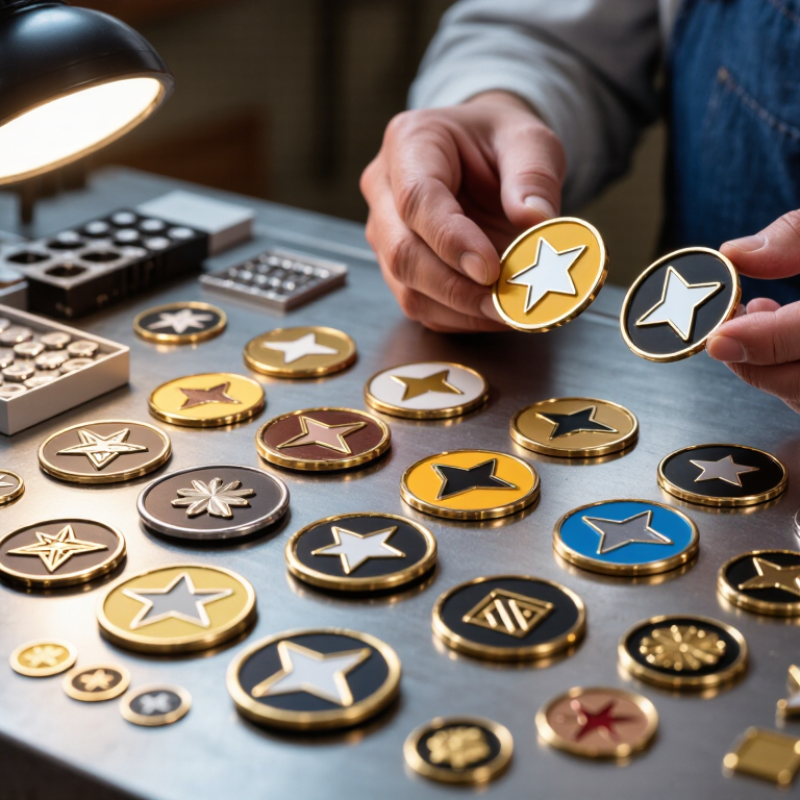
Metal Enamel Pin Badges combine a shaped metal base with colored enamel set into recessed areas. They are used for uniforms, events, collections, and small promotional projects. The design begins as vector artwork, where every line must be clear and practical. Very thin details may disappear during production.
A supplier turns the approved artwork into a steel or copper mold. The mold presses or cuts the badge outline and creates separated enamel cells. Hard enamel is filled level with the metal surface, then polished for a smooth finish. Soft enamel sits slightly below the raised metal lines and keeps a textured feel. After coloring, the badge is heated to cure the enamel. Plating follows, such as gold-tone, silver-tone, or black-tone finishing. A post, clasp, or magnetic backing is added afterward.
The first sample is rarely perfect. A color may look warmer than the digital proof. Small letters can also lose definition. Reliable suppliers provide a physical sample, clear artwork review, and material information before mass production. Ask about metal thickness, enamel type, plating durability, backing security, and inspection standards. Good production records should identify batch details and confirm that materials meet applicable safety requirements. Experienced teams also check sharp edges, uneven filling, loose posts, and surface scratches. These checks sound basic, but rushed inspections often miss them. A careful supplier explains limitations instead of promising flawless results. That honesty matters.
In 2026, evaluating metal enamel pin badge suppliers requires more than comparing unit prices. A dependable supplier explains the base metal, plating thickness, enamel type, and clasp design in writing. Ask for a physical sample, not only a digital rendering. Examine its edges, color fill, back stamp, and attachment strength under ordinary handling. Small defects become obvious after hundreds of pieces arrive.
Request a production timeline with approval, molding, coloring, polishing, inspection, and packing stages. Reliable factories provide measurable quality checks, such as color references, plating inspection records, and count verification. Their material declarations and factory certifications should be current and traceable. Confirm minimum order quantities, remake rules, packaging protection, and shipping responsibilities before payment. Clear answers matter. Vague promises do not.
Communication is another practical test. Send a detailed drawing with dimensions, metal finish, color codes, and clasp position, then assess the response. A skilled supplier notices hidden problems, such as thin lines that may disappear during molding. Ask how revisions are recorded and who approves the final sample. Do not trust perfect claims; even experienced suppliers can miss a minor alignment issue. My own evaluation checklist still changes after each order, because a neat sample cannot reveal every factory risk. The best choice balances repeatable quality, realistic lead times, responsible documentation, and honest problem handling.
Choosing a metal enamel pin supplier starts with the badge requirement, not the lowest quotation. Small creators often need a local custom manufacturer for short runs, quick sampling, and direct communication. This supplier type can adjust artwork after reviewing a physical sample. I have found this useful when tiny lettering becomes unclear at 20 millimeters.
Wholesale suppliers suit standard shapes, common plating finishes, and larger quantities. Their existing molds can reduce setup costs and shorten production time. However, the design choices may be limited. Ask about minimum order quantities, color matching, backing options, and replacement policies before approving payment.
Specialist enamel workshops are better for detailed artwork, unusual metal textures, layered surfaces, or hand-finished effects. They usually offer closer production guidance, but their lead times and prices can be higher. A promotional merchandise supplier may help coordinate packaging, cards, and delivery for corporate campaigns. That convenience matters when one order contains several hundred individually packed pins.
Reliable suppliers should provide digital proofs, production samples, and clear inspection standards. Check whether the plating is even and whether the pin post sits securely. Ask how defects are counted. A vague answer is a warning sign.
I once treated a polished sample as proof of consistent production. That was too optimistic. Requesting random pieces from a completed batch gives stronger evidence. Also, confirm shipping dates in writing, because “ready to ship” may exclude inspection and packing time.
When comparing top metal enamel pin badge suppliers in 2026, inspect quality beyond attractive product photos. Request a physical sample with the same artwork, metal thickness, plating, and enamel process as your order. Check whether the edges feel smooth and the pin back locks securely. Look closely at tiny lines. They often reveal poor mold control.
Customization should include more than color selection. Ask about mold fees, Pantone matching, plating options, glitter or screen-print details, and artwork corrections. A reliable supplier explains production limits before accepting payment. Confirm minimum order quantities, sample charges, lead times, and packaging methods in writing. Clear communication matters. Vague promises create expensive delays.
Production standards deserve measurable evidence. Ask for pre-production approval, in-process inspections, final quantity checks, and batch photographs. Useful tests include coating adhesion, surface rub resistance, clasp strength, and visual inspection under bright light. Request material information and compliance documents suitable for your destination market. Traceable records make quality problems easier to investigate. No supplier is perfect. I would still allow extra time for rework, because even approved samples can expose inconsistent color or uneven filling during mass production. A supplier who admits these risks may be more dependable than one promising flawless results.
Choosing among 2026 metal enamel pin badge suppliers requires more than comparing price lists. Buyers should examine production experience, material knowledge, and quality controls.
Request physical samples before placing a large order. Inspect the pin’s metal edges, enamel filling, plating color, clutch strength, and back surface. Details matter. A reliable supplier should explain whether the badge uses soft or hard enamel, and how each option affects texture, durability, and cost. Ask for clear specifications, including dimensions, metal thickness, color references, tolerance limits, packaging, and expected production time.
Production evidence is useful, but written promises are not enough. Request recent quality records, material declarations, and photographs from different production stages. Confirm how defective pieces are identified and replaced. Small differences in color can become obvious across a large batch. I once underestimated the effect of lighting when approving a digital proof. The final enamel looked darker indoors. That mistake showed why physical samples and controlled color references matter.
Communication also reveals supplier reliability. Can the supplier answer technical questions without vague claims? Do they confirm artwork details in writing? Buyers should compare minimum order quantities, tooling charges, shipping methods, inspection steps, and payment terms. A lower quotation may hide weaker plating or limited rework support. Leave time for one correction cycle. Perfection is rarely achieved on the first proof, and rushed approval can create expensive problems.
A neutral 100-point buyer scorecard for comparing metal enamel pin badge suppliers without relying on company or brand data.
How to use this chart: Prioritize consistent product quality first, then verify sample approval, compliance documentation, minimum order quantity, delivery reliability, and communication. Buyers can score each supplier against these six criteria and multiply the score by the corresponding weight to create a comparable total.