





10 Best Concert Lighting Systems for Live Events
Concert Lighting does more than make performers visible. It shapes the room, guides attention, and gives each song a visual pulse. A tight beam can isolate a singer against a dark stage. A row of wash fixtures can soften that look and reach the back of a wide venue. Small details count.
Lighting educator Stanley McCandless wrote, “The purpose of stage lighting is to make visible the people on the stage.” That principle still matters, even when modern shows add moving heads, LED bars, strobes, and pixel effects. Visibility comes first. Effects should support the performance, not bury it. A brilliant fixture can still be the wrong choice if it is difficult to rig, program, or maintain on tour.
This guide to the 10 Best Concert Lighting Systems for Live Events compares practical options for different stages and budgets. It considers brightness, color quality, control compatibility, setup demands, durability, and the needs of touring crews. A compact rig may suit a club, while an outdoor festival calls for greater output and weather-conscious planning. No shortlist is perfect; venue dimensions, power access, and operator experience can change the best fit. Some specifications look impressive on paper. They do not always translate into a better show. The right system should help crews work confidently and let the music remain the focus.
What Concert Lighting Systems Do in Live Event Production
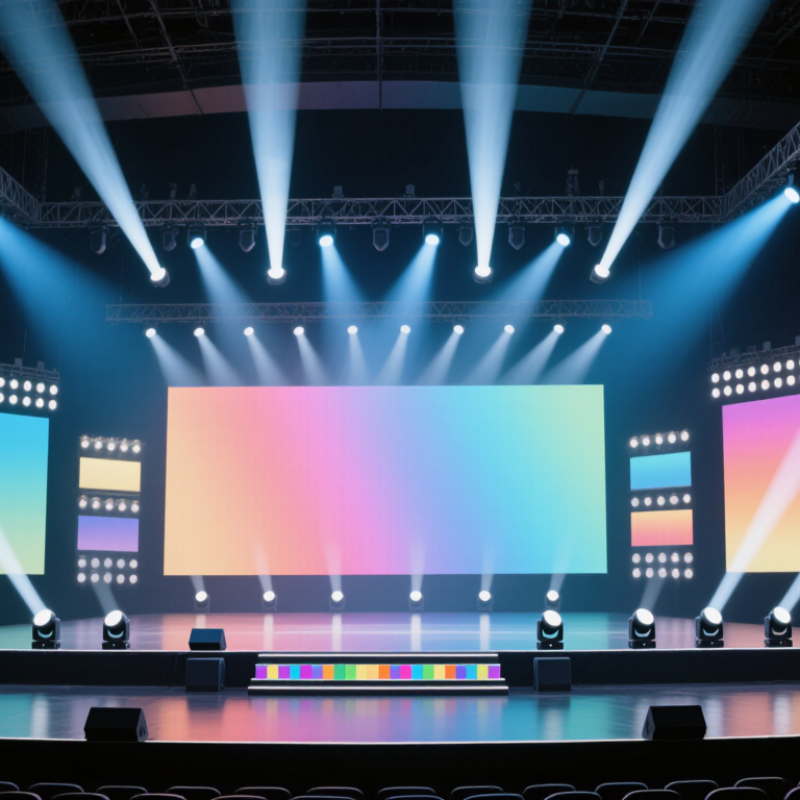
A concert lighting system turns production cues into visible changes across the stage. It combines fixtures, control desks, data links, power, and carefully planned positions. Each part has a job. Wash lights reveal performers and scenery, while beams add movement or draw attention to a soloist. A soft side light can show a musician’s hands without flooding the whole stage.
Operators use a lighting console to trigger cues in time with the show. Those cues may shift color, intensity, direction, or movement as a song changes. Before the audience arrives, technicians check focus, patch connections, test dimming, and confirm that fixtures respond correctly. A single misplaced fixture can leave an important part of the stage in shadow. Small details matter. A cue can still feel late.
Lighting also supports safe, workable production. The design must account for sightlines, rigging positions, power limits, and the venue’s layout. In practice, a plan often changes once the stage is built; a speaker stack may block a beam, or a performer may use more space than expected. Even a well-prepared system cannot fix every awkward transition. Clear communication between the lighting operator, stage crew, and performers helps keep cues consistent, while leaving room for adjustments when the live show behaves differently than rehearsal.
| Lighting System | Typical Equipment | Role in Live Event Production | Common Control Approach | Best-Suited Events | Key Planning Consideration |
|---|---|---|---|---|---|
| Moving-Head Spot System | Automated fixtures with a focused beam, framing shutters, gobos, and color selection | Creates defined shafts of light, patterned projections, and precise highlights on performers or set pieces | DMX512 or networked lighting protocols such as Art-Net or sACN | Touring concerts, theatrical performances, and large stages | Allow for clear sightlines and enough overhead clearance for fixture movement. |
| Moving-Head Wash System | Automated wash fixtures with a broad, adjustable beam and color mixing | Provides even color across performers, scenery, or stage areas; can also create moving effects | DMX512 or networked control, often integrated with a lighting console | Concerts, festivals, and events with changing stage looks | Fixture placement and beam overlap affect how evenly the stage is covered. |
| Moving-Head Beam System | Automated fixtures designed to produce narrow, concentrated beams | Adds visible aerial effects and fast-moving accents, especially when atmospheric haze is present | DMX512 or networked control with programmed movement and intensity cues | High-energy concerts and large venues with suitable rigging | Check venue rules, audience sightlines, and local requirements for beams directed near people. |
| LED PAR Wash System | Static LED fixtures with electronically mixed colors and broad wash output | Colors backdrops, illuminates stage areas, and supplies flexible front, side, or back light | DMX512; some fixtures also support wireless control | Small and mid-sized venues, community events, and mobile productions | Confirm color quality, beam spread, and output for the stage size and performer needs. |
| LED Batten and Strip System | Linear LED fixtures arranged along the stage, floor, or scenic elements | Creates continuous lines of color, background effects, and layered stage depth | DMX512 or networked pixel control, depending on the fixture design | Concert stages, set pieces, and productions with strong visual geometry | Plan mounting positions, viewing angles, and cable routes before installation. |
| Strobe and Blinder System | High-output strobe fixtures and audience-facing blinder fixtures | Delivers brief rhythmic flashes and dramatic accents during musical peaks | DMX512 or networked control with intensity and timing cues | High-energy music events and selected moments in live shows | Use flashes responsibly, provide appropriate warnings, and follow venue safety policies. |
| Followspot System | Manually operated spotlights, typically positioned at a dedicated rear or elevated location | Keeps a performer visibly highlighted while they move around the stage | Operator-controlled intensity, position, iris, and color; may be coordinated with show cues | Concerts, award shows, and performances with featured soloists | Provide operators with safe positions, clear sightlines, and reliable communication. |
| Pixel-Mapped LED System | Addressable LED fixtures, bars, or panels configured as controllable pixels or zones | Produces animated color patterns and synchronized visual effects across the stage | Pixel-mapping software or a lighting console using compatible network protocols | Large-scale concerts and productions with coordinated visual content | Plan data distribution, addressing, power loads, and a tested backup workflow. |
| Conventional Profile and Fresnel System | Fixed-position profile spotlights and Fresnel fixtures, often using replaceable lamps | Provides controlled key light, stage coverage, and dependable illumination for performers | DMX512 dimmer control or manual dimming, depending on the equipment | Theatre-style concerts, seated venues, and productions prioritizing consistent coverage | Account for lamp heat, power demand, focusing time, and any required accessories. |
| Hybrid Concert Lighting System | A coordinated mix of automated fixtures, LED washes, conventional fixtures, and audience effects | Combines performer visibility, stage color, movement, and effects in one show design | Lighting console with DMX512 and, where needed, networked control and distributed nodes | Touring productions, festivals, and events with varied performance segments | Match the rig to the venue, available power, rigging capacity, crew, and show schedule. |