Discover the Best Small Truss Screws for Global Procurement?
When sourcing components globally, Small Truss Screws have gained significant attention. These screws are essential in various industries, ranging from construction to aerospace. According to a recent report by MarketWatch, the demand for small truss screws is projected to increase by 5% annually for the next five years. This growth reflects their pivotal role in ensuring structural integrity and reliability.
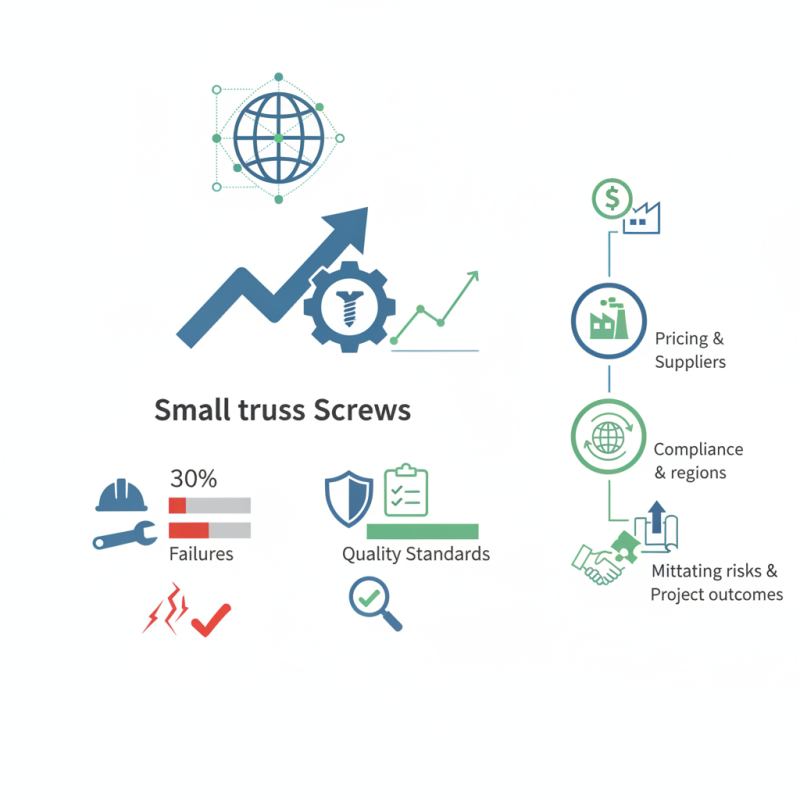
Manufacturers must prioritize quality and precision in their procurement processes. Inadequate sourcing can lead to catastrophic failures. Similarly, an industry analysis highlighted that 30% of construction delays stem from using subpar fastening materials. This statistic underscores the necessity for reliable suppliers in the procurement chain.
Quality varies significantly across different markets and regions. Many buyers face challenges in identifying trustworthy sources. With countless options available, it’s crucial to consider not only pricing but also compliance with international standards. Mindfully evaluating options can enhance operational efficiency and safety. Ultimately, effective procurement of small truss screws can elevate project outcomes and mitigate risks.
Understanding Small Truss Screws: Definition and Types
Small truss screws are essential fasteners used in various applications, especially in construction and assembly. These screws feature a special head design that provides a flat surface for better grip and support. Understanding their definition and types can lead to more effective usage and procurement.
There are several types of small truss screws, including those made from stainless steel, carbon steel, and nylon. Stainless steel screws offer excellent corrosion resistance, making them ideal for outdoor use. Carbon steel screws are often used in indoor applications where strength is critical. Nylon screws are lightweight and non-conductive, suitable for electrical projects. Choosing the right material is key to achieving durability and performance.
**Tips:** When selecting small truss screws, consider your project environment. For exterior projects, use corrosion-resistant materials. Always check the screw length and gauge to match your specific needs. Testing different types in small-scale applications can help identify the best fit for your requirements. Don't overlook the importance of the right tool for installation; a poorly installed screw may compromise your project.
Key Specifications for Selecting Small Truss Screws
When selecting small truss screws for global procurement, understanding key specifications is crucial. These screws are essential in many applications, from construction to electronics. Their design allows for superior load distribution, making them reliable for various tasks.
Material choice significantly impacts performance. Stainless steel offers strength and corrosion resistance, while carbon steel is often used for indoor projects. Thread size and length are also important. They determine how well the screw will grip materials. An incorrect size can lead to structural weaknesses.
Tips: Always consult with experts to assess your specific needs. Experiment with different designs to see which performs best. Remember to check for compliance with relevant standards in your region. Craftsmanship matters, so don’t overlook the importance of quality. Each choice affects your project's success.
Top Global Suppliers of Small Truss Screws
Choosing the right small truss screws is crucial for manufacturers and builders globally. These screws play a vital role in providing stability to various structures. Understanding where to source these screws can enhance your procurement process and ensure quality.
When considering suppliers, look for those with a strong reputation. Quality is paramount. Reliable suppliers often provide detailed product specifications and testing certifications. This information can help you determine if their products meet your standards. Additionally, examine their customer service. A responsive team can address your queries and support your needs effectively.
Tips for procurement: Always compare prices and quality. Securing multiple quotes can reveal significant differences. Request samples before committing to large orders. This way, you can assess the screws' performance in your applications. Establish long-term relationships with suppliers who demonstrate reliability. This can lead to better pricing and priority service.
Consider the environmental impact as well. Some suppliers may prioritize sustainability in their manufacturing processes. Choosing eco-friendly options can not only enhance your brand's image but also align with global trends. Continuous evaluation of your suppliers is necessary. The market evolves, and so do supplier capabilities.
Evaluating Quality and Performance of Small Truss Screws
When evaluating the quality and performance of small truss screws, focus on several key factors. First, consider the material used in production. Many options exist, from stainless steel to carbon steel. Stainless steel offers corrosion resistance, while carbon steel tends to be stronger in certain applications.
It’s essential to check the screw's design. The head shape of small truss screws influences their ability to distribute load. A well-designed head can enhance grip and stability. Additionally, verify the threading. Consistent threading ensures better fitting and reduces the risk of stripping.
**Tip:** Ask suppliers for sample screws. This lets you perform a hands-on evaluation. Measure dimensions and feel their weight.
Performance testing is crucial. Consider testing screws under actual working loads. Look at the torque needed to drive in each screw completely.
**Tip:** Use a standardized testing method for accuracy. Document results for future comparisons.
Only through thorough evaluation can these screws meet your expectations. Emphasizing quality assures durability and performance. Keep an eye on production specifications. Reflect on your findings during the selection.
Pricing Trends and Economic Factors in Small Truss Screw Procurement
In recent years, the global procurement of small truss screws has faced fluctuating pricing trends due to various economic factors. Industry reports indicate that steel prices, a primary input for these screws, have witnessed significant volatility. For instance, according to the World Steel Association, steel prices increased by over 30% in the last year, impacting overall production costs. This shift has compelled procurement managers to reassess their sourcing strategies, focusing on cost-effective solutions without compromising quality.
Moreover, geographical factors play a crucial role in pricing dynamics. Regions with robust manufacturing capabilities often experience lower costs. A report by the International Trade Administration highlights how Asian markets dominate the small truss screw production landscape, accounting for nearly 60% of global supply. However, geopolitical tensions and transportation disruptions can inflate prices unexpectedly. This unpredictable environment necessitates a more agile procurement process, prompting companies to explore alternative suppliers.
As companies navigate these complexities, the importance of relationship management with suppliers cannot be overstated. Effective communication can lead to better pricing agreements and consistent supply chains. Procurement specialists are encouraged to foster long-term partnerships. This proactive approach may help mitigate risks associated with sudden price hikes and ensure a steady flow of high-quality small truss screws.