Where to Buy the Best Wholesale Backpacks in 2026?
Finding the best place to buy a wholesale backpack in 2026 takes more than comparing prices. Buyers can explore direct manufacturers, established distributors, and business-to-business marketplaces. Each route offers different trade-offs in minimum order quantities, customization, communication, and delivery times. A factory may offer more control over colors and materials, while a distributor may provide faster access to ready-to-ship stock. Neither option is automatically best.
This guide looks at how to assess suppliers before placing an order. It considers sample quality, fabric weight, zipper performance, stitching, packaging, and the clarity of product specifications. Ask for current pricing, production timelines, return terms, and shipping estimates in writing. Check whether the supplier can explain how products are inspected and how defects are handled. A polished product photo is not proof of durable construction. Details matter.
Prices and availability can change, and a low quote may exclude important costs. Even careful checks can miss problems that appear only after larger shipments arrive. That takes work. Request a sample when practical, compare it with the written specifications, and keep records of supplier responses. The sections ahead will help retailers, schools, and organizations compare buying options with realistic expectations. There is no single source that suits every order; the right choice depends on budget, quantity, quality needs, and delivery schedule.
Understanding Wholesale Backpacks and Bulk-Buying Needs
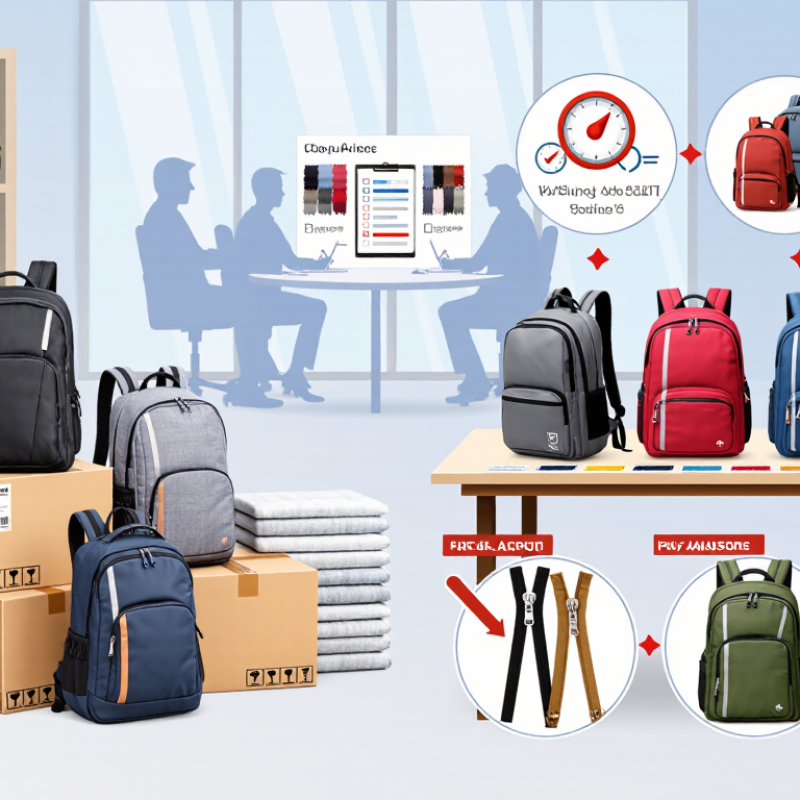
Wholesale backpacks are not simply retail bags ordered in larger quantities. Buyers choose a style, set a target quantity, and confirm construction, packaging, and delivery expectations before paying. A school program may need sturdy, easy-clean bags, while a promotional order may prioritize color matching and logo placement. Define the use first. Otherwise, a low unit price can hide unsuitable sizing or weak stitching.
Bulk buying also changes how quality should be checked. Request a physical sample when possible, then inspect zipper movement, strap attachment points, lining, and seams under light pressure. Check the stated fabric weight and dimensions against your actual needs; photos can make a compact bag look roomier. Ask whether quoted pricing includes individual packing, labels, and freight. Small costs add up. Confirm production and shipping dates in writing, especially for seasonal orders.
Order quantities deserve the same care as product details. Estimate demand from past sales or confirmed distribution plans, then leave room for a modest buffer. Too much stock ties up cash and storage space; too little can split a delivery across dates. One sample cannot prove every unit will match. Ask how defects are handled, and clarify acceptable color variation before production. Even careful planning has gaps; a small trial order may reveal issues the specification missed.
Comparing Online Marketplaces, Manufacturers, and Distributors
Where to Buy the Best Wholesale Backpacks in 2026?
Online marketplaces, manufacturers, and distributors suit different buying needs. Marketplaces make it easy to compare fabrics, prices, minimum order quantities, and delivery estimates. But listings can hide differences in stitching or zipper quality. Grand View Research estimated the global backpack market at USD 20.7 billion in 2023, with projected annual growth of 6.8% from 2024 to 2030. A growing market does not guarantee reliable suppliers.
Manufacturers are worth considering when you need custom colors, materials, or pocket layouts. Expect more sampling and production planning. Distributors often offer ready-stock backpacks and simpler repeat orders, though choices may be narrower and prices higher. Ask each supplier for a physical sample, written specifications, carton dimensions, and a production timeline. Check whether quoted prices include shipping and packaging. A low quote can still conceal a costly delay.
Tips: Compare suppliers using the same checklist. Test a loaded sample: carry it, tug the straps, and inspect the seams. Confirm reorder availability before placing a large order. It sounds obvious, but I would not choose from photos alone; they rarely show how a zipper feels after repeated use.
Evaluating Prices, Product Quality, and Minimum Order Quantities
Where to Buy the Best Wholesale Backpacks in 2026?
Evaluating Prices, Product Quality, and Minimum Order Quantities
Wholesale backpack suppliers vary widely in price, construction, and minimum order quantities. Compare several written quotes, not just the headline price. A low unit cost may exclude packaging, shipping, or custom details. Ask for a landed-cost estimate and check whether the quote changes with order size. Some suppliers accept small trial orders; others require hundreds of pieces. Choose a quantity your storage space and budget can handle.
Tips: Request a sample before committing. Check the zipper, stitching, lining, and shoulder straps. Pack it with books or a laptop, then inspect how the seams hold. Confirm the sample matches the production specification. Keep the details in writing.
A sample gives useful evidence, but it cannot guarantee every production unit will match. Ask how defects are handled and whether inspections happen before dispatch. Review material descriptions carefully: “water-resistant” does not mean waterproof. For a fair price comparison, request the same fabric, dimensions, pocket layout, and order quantity from each supplier. I would not judge quality by appearance alone; a neat finish can hide weak strap attachments. Record delivery estimates, payment terms, and any reorder minimums, since these details affect the real cost of keeping stock.
Where to Buy the Best Wholesale Backpacks in 2026?
Indicative price ranges by sourcing channel (USD per backpack)
How to read this: Domestic wholesalers often suit smaller orders and faster replenishment; importers can offer a balance of price and order size; factory-direct sourcing may reduce unit costs at higher minimums. Indicative MOQs can range from about 10–50 units for domestic wholesalers, 100–500 for importers, and 500–2,000 for factory-direct orders.
These are broad planning estimates, not verified supplier quotes or universal market averages. Actual prices and MOQs vary with materials, specifications, customization, order volume, and shipping. Request samples and compare like-for-like quotes before buying.
Verifying Supplier Reliability, Certifications, and Shipping Terms
When comparing wholesale backpack suppliers in 2026, look beyond polished catalogs. Ask for a current business registration, two recent trade references, and a sample from the same production line you plan to order from. Check stitching around shoulder straps, zipper movement, lining seams, and whether the sample’s dimensions match the specification sheet. A sample can be excellent while bulk production varies, so request written quality checks and clear remedies for defects. Paperwork can look polished. Verify each certificate with its issuer, confirm its validity, and make sure its scope covers the materials or product being offered. A certificate for a different item proves little.
Tips: Ask for a dated factory video or live inspection. Compare the label, carton, and sample details. Keep replies and approved specifications in writing. Small discrepancies matter.
Before paying a deposit, get shipping terms in writing. Confirm the named delivery location, who books freight, who handles export documents, and which costs are excluded. Ask for a realistic production and transit window, plus a process for delays or damaged cartons. I still find delivery estimates easy to misread; “ships in 20 days” may describe dispatch, not arrival. Request the carrier plan, carton count, and tracking details before the goods leave. Then compare the landed cost, not just the unit price. A cheaper quote can become expensive once freight, packaging, and inspection fees appear.
Choosing the Right Wholesale Backpack Supplier in 2026
Where to Buy the Best Wholesale Backpacks in 2026?
Choosing the Right Wholesale Backpack Supplier in 2026
A reliable wholesale backpack supplier should make quality, pricing, and delivery details easy to verify. Ask for a current product specification sheet, not just attractive photos. It should list fabric type, dimensions, lining, zipper details, and available color options. Small details matter.
Request samples before placing a large order. Check the stitching near the shoulder straps, pull each zipper several times, and load the bag with books or similar weight. Look for uneven seams, loose threads, and straps that twist under pressure. A sample is only one bag, though; it cannot guarantee every unit will match.
Discuss minimum order quantities, production timelines, payment terms, and what happens if goods arrive with defects. Get these details in writing, then compare suppliers using the same checklist. Ask whether repeat orders can maintain the same measurements and materials. This is not glamorous. But a low quoted price may not be a bargain if delivery slips or quality changes. I would not treat one smooth sales conversation as proof of dependable service; clear records and consistent sample results are stronger signs.