





Top Luxury Royal Bed Manufacturers in China
China’s luxury bedroom market includes workshops and established furniture producers serving both domestic and export buyers. This guide to the Top Luxury Royal Bed Manufacturers in China looks beyond polished showroom photography. A Luxury Royal Bed may feature a carved headboard, upholstered panels, a solid-wood frame, or custom dimensions. Each detail affects appearance, comfort, production time, and cost.
Comparing manufacturers requires practical questions. Ask which materials are used in the frame, what finishes are available, and how the bed is assembled. Request current product specifications, clear warranty terms, and photos of comparable completed work. Where relevant, ask for supporting documents rather than relying on broad claims about quality or sustainability. Small details matter. A smooth finish can look impressive in a photograph, but edge treatment, hardware, and consistent upholstery may reveal more about everyday workmanship.
This overview is intended to help buyers shortlist suppliers, not to declare one company universally best. Capabilities, minimum order quantities, customization options, and delivery arrangements can vary. Confirm these points directly before making a decision. And allow time. Samples, revisions, and shipping coordination can affect a project’s schedule. Some makers may excel at ornate, bespoke designs, while others may offer clearer specifications or more repeatable production. That distinction deserves attention. The ideal choice depends on the intended room, budget, use, and level of customization. Even a careful comparison has limits, so verify important details in writing before placing an order.
What Defines a Luxury Royal Bed in China
Top Luxury Royal Bed Manufacturers in China
What Defines a Luxury Royal Bed in China
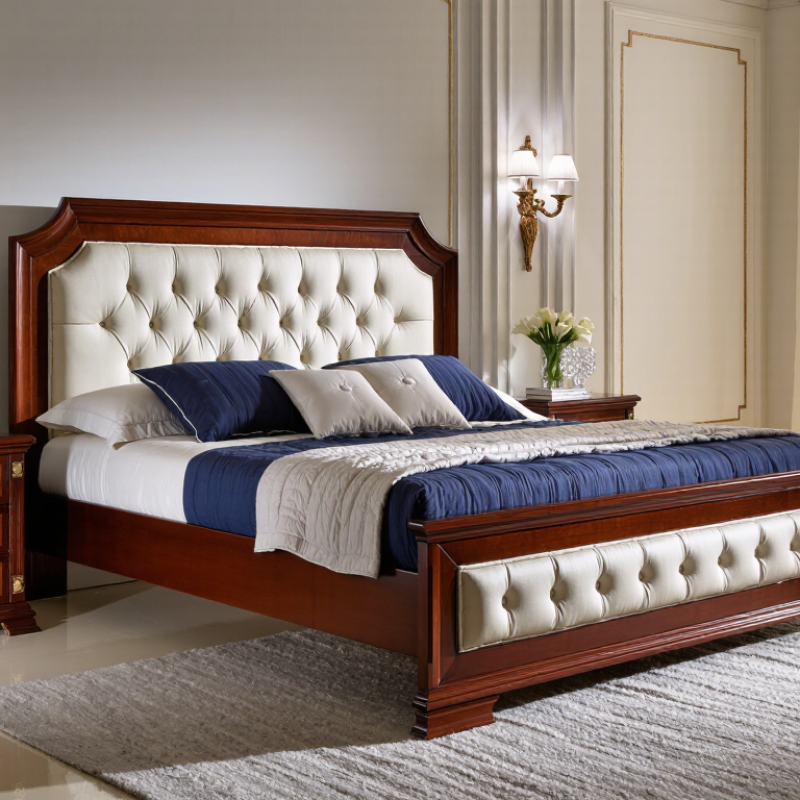
A luxury royal bed in China is defined less by size alone than by proportion, materials, and workmanship. A broad headboard may anchor a room, but its height should suit the ceiling and allow comfortable bedside access. Solid hardwood frames, carefully matched veneers, and tight, even joints suggest thoughtful construction. Ask how the rails connect to the posts, and inspect hidden corners, not just polished surfaces. Details matter.
The design may draw on Chinese motifs, such as cloud forms, lattice patterns, or restrained carving, without turning the bed into a display piece. Hand-finished lacquer should feel smooth at the edges, while upholstery stays taut and seams remain aligned. Fit comes first. Compare mattress dimensions, slat spacing, and room measurements, then ask about humidity control and finish maintenance. These checks help in homes where seasons bring damp air. A heavily carved frame can impress in a showroom yet feel oversized at home; restraint may be better than ornament without purpose. Luxury also means quiet performance: stable support, no creaking during ordinary movement, and surfaces that age gracefully. Appearance alone cannot prove durability.
Top Luxury Royal Bed Manufacturers in China - What Defines a Luxury Royal Bed in China
| Evaluation Dimension | What a Luxury Royal Bed May Include | What Buyers Should Verify |
|---|---|---|
| Meaning of “Royal” | “Royal bed” is generally a style or marketing description, rather than a single standardized bed category. It often refers to a substantial frame, a prominent headboard, refined finishes, and made-to-order options. | Ask for the actual design, materials, dimensions, and construction details instead of relying on the “royal” label alone. |
| Bed Size and Fit | Large formats are common in upscale bedrooms. A 1,800 × 2,000 mm mattress is a widely used large-bed size in China; larger or custom dimensions may also be offered. | Confirm whether the stated dimensions refer to the mattress or the complete bed frame. Check bedroom access, delivery routes, and the mattress-size specification. |
| Frame Construction | A well-built bed uses a stable supporting structure, securely joined components, and a slat or platform system suited to the intended mattress. | Request details about the frame substrate, support layout, joining method, center supports, and the manufacturer’s stated load and use conditions. |
| Solid Wood Components | Some designs feature solid-wood rails, legs, or decorative elements. Wood species and the proportion of solid wood can vary across components. | Ask which parts are solid wood and which use engineered wood or veneers. Confirm the species, finish, and care requirements in writing. |
| Upholstered Headboard | Upholstered designs may use fabric or leather coverings over padding and a supporting panel, with details such as channeling, tufting, or a shaped silhouette. | Check the cover material, seam quality, cleaning instructions, padding specification, and whether the cover is removable or replaceable. |
| Finishes and Detailing | Luxury styling may include carefully matched veneers, hand-applied decorative details, polished hardware, or layered finishes. These are design choices, not proof of structural quality by themselves. | Inspect finish consistency, edges, joints, hardware alignment, and samples under the room’s lighting before approving a custom order. |
| Customization | Made-to-order options can include overall dimensions, headboard shape, upholstery, wood tone, storage configuration, and coordinated bedside furniture. | Obtain an approved drawing and written specifications. Confirm tolerances, the final material selection, delivery schedule, and how changes affect price and warranty. |
| Safety and Product Information | Product documentation should identify the materials and intended use. Depending on the product and applicable requirements, relevant quality or safety test information may be available. | Request applicable test reports or certificates and check that their product description, materials, and model details match the bed being purchased. |
| Assembly and Delivery | Large beds may be shipped in multiple components and assembled at the destination. Headboard size and frame construction can affect handling and installation. | Confirm packaging dimensions, installation responsibilities, hardware included, access requirements, and after-sales support for missing or damaged parts. |
| Warranty and After-Sales Support | Coverage varies by seller, product, and component; upholstery, finishes, mechanisms, and structural parts may have different terms. | Review the written warranty period, exclusions, repair process, spare-part availability, and the procedure for reporting transit damage. |
Buyer note: Specifications and available options vary by product. Treat size examples and style descriptions as general guidance, and verify the final details directly in the product documentation and purchase agreement.