How to Choose Maxi Pads for Overnight Use
Choosing Maxi Pads Overnight is not simply a matter of choosing the thickest pad. Comfort, coverage, fit, and your usual flow all matter. A pad that bunches when you roll onto your side may leak, even if its package promises extra length. Check the product’s absorbency and shape, then consider whether its back coverage feels adequate for your sleeping position. Small details count.
Clinical guidance can help put heavy bleeding in context. The American College of Obstetricians and Gynecologists identifies soaking through one or more pads every hour for several hours as a sign of heavy menstrual bleeding. That is not a pad-shopping problem alone. If this happens regularly, or you feel weak or dizzy, seek medical advice. The National Health Service also advises changing pads regularly and following product instructions; personal flow and product design vary. Neither source names one best overnight pad for everyone.
A practical choice starts with your own pattern. Note when leaks happen, whether they occur at the front or back, and how long you usually sleep. Then compare package details and try a style that offers coverage where you need it. That sounds obvious. It is easy to overlook. No pad can guarantee a leak-free night, and product descriptions are not a substitute for clinical advice. This guide uses established health guidance to help you compare options without treating “maximum absorbency” as the only measure of protection.
What Maxi Pads Are and How Overnight Designs Differ
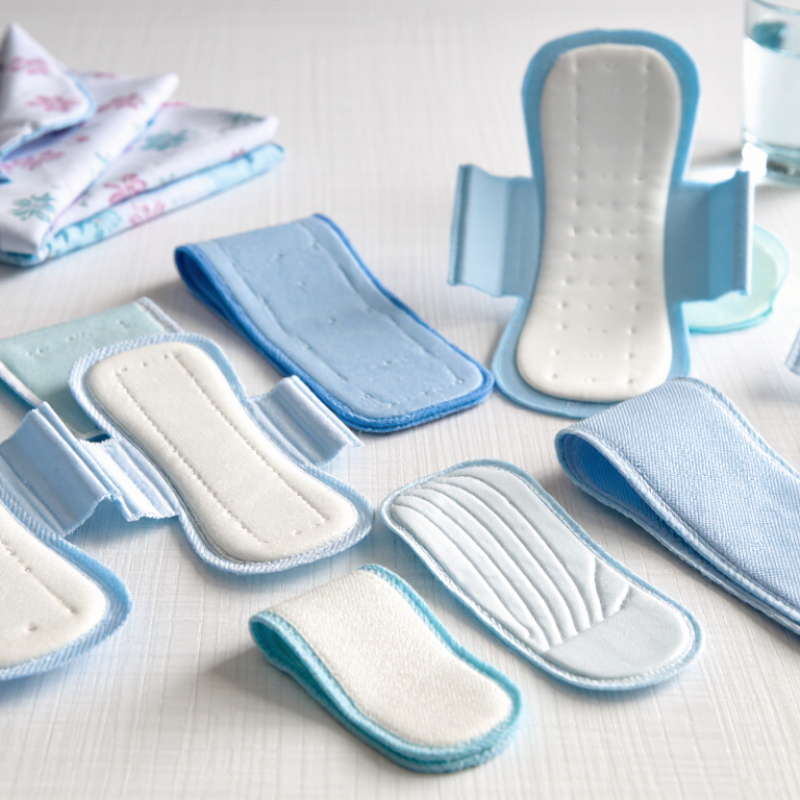
A maxi pad is an external menstrual product with a soft top layer and an absorbent core. It sits inside underwear and collects menstrual fluid as it leaves the body. Many designs have adhesive backing and side wings that fold around the underwear to help hold the pad in place. The thickness and absorbency vary, so “maxi” does not mean every pad holds the same amount.
Overnight designs are often longer than daytime pads, with extra coverage toward the back. This can help when fluid shifts while you lie down, especially if you sleep on your back. Some are wider through the rear; others focus on a secure fit or a thicker core. Small differences matter. A pad that bunches or moves may feel less protective, even if it is highly absorbent.
Choose a shape that matches your underwear and sleeping position, then check the packaging for use and change guidance. If your flow is heavy, you may still need to change during the night; an overnight label is not a guarantee against leaks. A longer pad is not automatically more comfortable, either. That part takes testing. Notice whether the edges stay flat and whether the pad feels dry against your skin in the morning.
How to Assess Your Flow and Overnight Protection Needs
Estimate your overnight needs from what your pad actually handles, not just the word “maxi” on a wrapper. For several cycles, note when you change pads, whether blood reaches the edges, and whether you wake with leaks. Track it nightly. A nearly clean pad in the morning suggests a different need from one saturated before dawn. Flow can be heavier on particular days, so assess each night separately. Sleep position and hours in bed matter too; a longer back panel may help if you sleep on your back.
Use your daytime pattern as a baseline, then choose a pad with enough length and absorbency for your longest sleep. Check it when you wake. Leaks, damp underwear, or blood near the pad’s edge are useful clues. Small clues matter. A first-night estimate can still be wrong, so adjust after observing several nights rather than sizing up automatically. The American College of Obstetricians and Gynecologists (ACOG) lists hourly soaking through pads or tampons for several hours as a warning sign. ACOG also flags bleeding lasting more than seven days. These are screening clues, not a diagnosis; repeated patterns merit a clinician’s advice.
How to Choose Pad Length, Absorbency, and Shape
For overnight use, choose a pad that extends far enough toward the back to cover your usual leak area when you lie down. A longer pad can help if you sleep on your back or move around, but extra length alone does not guarantee protection. Check the pad against your underwear before bedtime; the absorbent area should sit where your flow usually lands. Small detail, big difference.
Absorbency should match your flow, not just the number of hours you plan to sleep. On heavier nights, a higher-absorbency pad may offer more capacity, while a lighter option can feel less bulky on lighter days. If you regularly wake with leaks, note when and where they happen. A soaked center may call for more absorbency; leakage near an edge may point to fit or placement instead. It is easy to blame the pad without checking either.
Shape matters as much as length. Wider backs and wings can help keep the pad in place as you turn, while a slimmer shape may feel more comfortable between your legs. Fit should be snug, not tight, and the wings should wrap smoothly beneath your underwear. Try one change at a time—length, absorbency, or shape—so you can tell what actually helped. The pattern may still surprise you.
How to Choose Maxi Pads for Overnight Use - How to Choose Pad Length, Absorbency, and Shape
| What to Consider | Common Options | When It May Suit You | What to Check |
| Pad length | Regular-length pads are often around 9–11 in (23–28 cm); longer overnight styles are commonly around 12–15 in (30–38 cm). Exact measurements vary by product. | Choose a longer pad if you tend to leak toward the back while lying down, or want more coverage during sleep. | Check the product’s stated length and where the extra coverage sits. A longer pad is useful only if it fits your underwear and sleeping position. |
| Absorbency | Products may be labeled regular, heavy, overnight, or similar. These labels are not a universal measurement of capacity. | Consider a higher-absorbency option for heavier flow or when your usual pad becomes saturated before you wake. | Use the package directions and your experience with the product. If you regularly soak through a pad in an hour or less, seek medical advice. |
| Shape and coverage | Options include straight or contoured pads, wider rear coverage, and pads with or without wings. | A wider back may help with leaks when sleeping on your back; a contoured shape may feel more secure if it matches your underwear. | Look for a shape that covers the area where leaks usually occur without bunching or extending beyond the underwear. |
| Wings and fit | Wings fold around the sides of the underwear; wingless styles attach to the underwear’s inner panel. | Wings may help keep a pad in place if it shifts during the night. | Make sure the wings wrap securely around the underwear and that the pad lies flat. A close-fitting pair of underwear can also help reduce shifting. |
| Skin comfort | Surface materials and fragrances vary. Some pads are labeled fragrance-free or designed for sensitive skin. | If you experience irritation, a fragrance-free option with a comfortable surface may be worth trying. | Change the pad regularly and stop using a product that causes persistent irritation. Follow the package instructions. |
Practical tip: Start with the length and absorbency that match your flow and usual leak pattern, then adjust based on comfort and overnight protection. Product dimensions and absorbency can differ between manufacturers.
How to Compare Materials, Wings, and Skin-Sensitivity Features
For overnight use, compare the top sheet, absorbent core, and shape—not just the package’s “extra-long” claim. A cotton-feel surface may feel softer, while a smooth synthetic surface can feel less damp; comfort varies by person. Many pads use a cellulose or superabsorbent-polymer core. Check the materials list if you know you react to particular fibers, dyes, or fragrances. The UNICEF Guidance on Menstrual Health and Hygiene identifies comfort and acceptability as important product considerations. Fit matters, too. Wings can help anchor a pad to underwear, but they cannot guarantee leak prevention. Choose a length that covers the area you need when lying down, then check whether it stays flat when you move.
If your skin is sensitive, try fragrance-free options and avoid products that cause itching or redness. Change the pad if it feels wet, shifts, or leaks; overnight wear time depends on your flow. The WHO/UNICEF Joint Monitoring Programme’s 2021 report estimated that 500 million women and girls lacked adequate menstrual hygiene facilities. That figure reflects access challenges, not which pad works best, but it reinforces that comfort and availability both matter. A small trial can help. Keep notes on where leaks occur and how your skin feels; I would not assume the softest-feeling surface is automatically the gentlest.
How to Wear and Change an Overnight Maxi Pad Safely
Wash and dry your hands before handling an overnight pad. Choose one long enough to cover the area where leaks usually happen, and check that the wrapper is intact. Clean hands matter. Remove the backing, center the pad in your underwear, and press it down firmly. If it has wings, fold them around the fabric so the pad stays in place. Wear underwear that holds it securely without digging into your skin. Fit takes practice. If you tend to shift in your sleep, check the pad’s position before lying down; a small adjustment can help prevent bunching.
Put on a fresh pad just before bed, then replace it when you wake. Change it sooner if it feels saturated, damp, or uncomfortable, and follow the wear-time directions on its packaging. Flow varies, so one routine will not suit everyone. I still sometimes misjudge a heavier night; keeping a spare within reach makes changing less stressful. Wash your hands before and after changing. Roll the used pad in its wrapper or toilet paper and place it in a bin. Never flush it. If you notice persistent itching, soreness, or a rash, stop using the pad and ask a healthcare professional for advice.