

How to Choose Parallel Spunlace Nonwoven Fabric

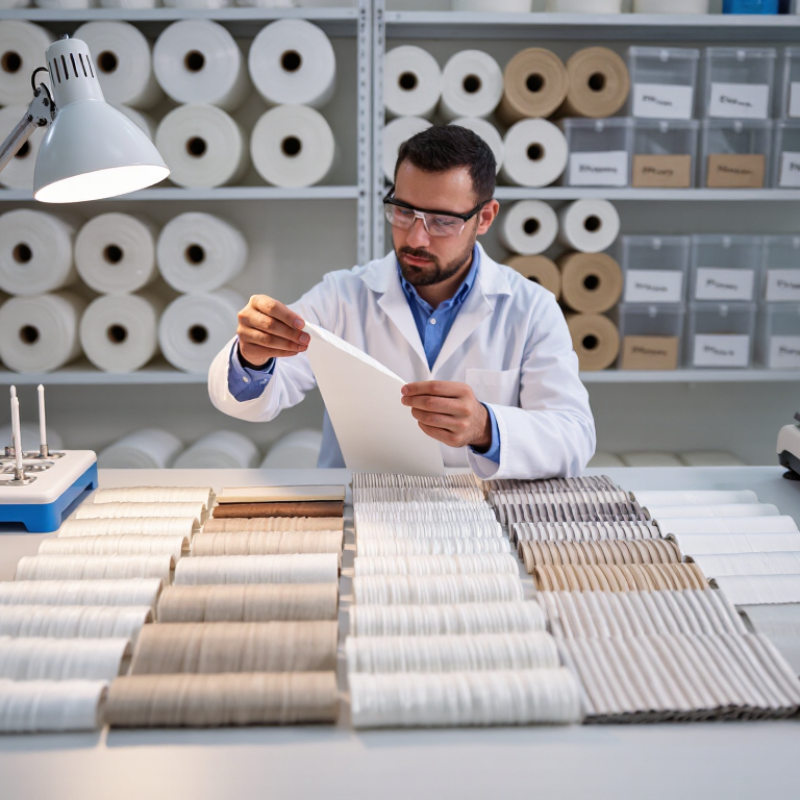
Choosing Parallel Spunlace Nonwoven Fabric is not a matter of picking the softest sample on a swatch card. The right grade must suit its job. A wipe may need quick liquid uptake and enough strength to survive wringing. A hygiene layer may require softness, uniform coverage, and reliable converting performance. Parallel-laid webs can offer directional differences in strength, so ask suppliers for machine-direction and cross-direction data. Check basis weight, thickness, absorbency, tensile strength, and fiber composition. Then handle a real sample. Feel matters, but fingers cannot measure consistency across a production roll.

Dr. Behnam Pourdeyhimi is a prominent nonwovens researcher. A useful selection principle, consistent with his field of work, is: “Choose the web for its end use, not its label.” This is an editorial summary, not a verified direct quotation; no source text was provided to confirm his exact words. That distinction matters. Ask for test methods, lot tolerances, and processing details, not just a polished product sheet. Compare samples under conditions close to actual use: wet and dry, folded and stretched, before and after converting. Small differences show up at the seams. They can also affect waste and line speed. No specification tells the whole story. Supplier claims deserve checking, and early sample testing is easy to underestimate. A careful choice weighs measurable performance against cost, availability, and the feel users expect.
How to Choose Parallel Spunlace Nonwoven Fabric

What Is Parallel Spunlace Nonwoven Fabric?

Parallel spunlace nonwoven fabric starts as a web whose fibers lie mainly along the machine direction, the direction the web travels during production. High-pressure water jets entangle the fibers, creating a fabric without conventional chemical binders. The result can feel soft and drape well, but its strength may differ across the roll. That matters.

EDANA reported European nonwoven production of about 2.88 million tonnes in 2023 in its industry statistics. This figure covers the broader nonwovens sector, not parallel spunlace alone, so it should not be treated as a measure of this fabric’s market share. For buyers, the construction is only one clue. Fiber type, basis weight, jet treatment, and finishing all affect absorbency, linting, and durability.

When assessing a sample, compare machine-direction and cross-direction tensile strength, then check absorbency and surface lint under the intended use conditions. Check the roll. A wipe that must resist tearing may need balanced strength, while a soft liner may favor hand feel. Ask suppliers for test methods and test results; numbers are hard to compare when methods differ. Small differences show. And a laboratory result cannot fully predict performance on your production line, so trial the material at realistic speeds and with your actual converting equipment.

How Does Its Intended Use Shape Fabric Requirements?

How to Choose Parallel Spunlace Nonwoven Fabric

How Does Its Intended Use Shape Fabric Requirements?

Start with the task, not the fabric’s appearance. Parallel spunlace webs usually have greater strength along the machine direction than across it. That difference matters when a wipe is pulled from a dispenser or dragged over a rough countertop. For wiping, check wet strength, absorbency, and lint release together. A cloth that feels soft when dry may shed fibers or tear after soaking.

For personal-care applications, skin feel and flexibility may matter more than aggressive scrubbing. A lighter fabric can drape comfortably, while a denser web may feel sturdy but less gentle. Filtration or protective uses need closer attention to pore structure, thickness, and consistency across the roll. “Spunlace” alone does not define performance. Ask for basis weight and directional tensile data, then test samples under realistic conditions.

Small details change the choice. Try the fabric with the actual liquid, surface, and dispensing method. Test it wet. The first sample may look right, then disappoint when pulled from a perforated roll. It is easy to overvalue softness; I would reconsider that choice if the fabric stretches unevenly or leaves lint. Compare several weights and inspect both machine and cross directions before setting a specification.

How Intended Use Shapes Parallel Spunlace Fabric Requirements

Indicative basis-weight ranges by application (g/m²). The right choice depends on required strength, coverage, softness, absorbency, and end-use conditions.

Higher basis weight can support greater coverage and substance, but absorbency and strength also depend on fiber blend, web structure, and bonding. These are indicative selection ranges, not universal specifications; confirm requirements through product testing.

Which Material and Performance Properties Should You Compare?

When choosing parallel spunlace nonwoven fabric, compare fiber composition before focusing on price. Polyester can support durability and dimensional stability, while viscose often offers a soft feel and strong water uptake. Blends balance these qualities, but the ratio matters. Check the basis weight in grams per square meter, then compare thickness and hand feel. A heavier fabric may seem reassuring, but it is not automatically stronger or more suitable.

Performance should match the job. For wiping, examine absorbency, liquid release, wet strength, and lint after repeated strokes. For personal-care or hygiene applications, assess softness, drape, and skin-contact requirements. Ask for tensile results in both machine and cross directions; parallel fiber alignment can make strength vary by direction. Also review surface uniformity, pore structure, and compatibility with any lotions or cleaning agents. Test samples under realistic conditions. A quick touch test can mislead.

Tips: Wet a sample, press it against a clean surface, and check for lint or residue. Compare several rolls, not just one swatch. Small differences can matter. Note the test method and sample conditioning, since inconsistent testing can distort comparisons.

How to Choose Parallel Spunlace Nonwoven Fabric: Material and Performance Comparison
Material or Blend Typical Basis Weight Absorbency and Liquid Handling Strength and Directionality Softness and Lint Suitable Applications Main Trade-Offs
Viscose (rayon) Approximately 30–80 g/m²; product-dependent High water uptake and good liquid distribution; absorbency depends on fiber finish and fabric construction. Can lose strength when wet compared with polyester-rich fabrics. In a parallel-laid web, machine-direction strength is often higher than cross-direction strength. Generally soft with a textile-like feel. Linting depends on fiber length, hydroentanglement, and finishing. Personal-care wipes, cosmetic pads, and absorbent cleaning cloths. Good absorbency, but wet strength and dimensional stability may be lower than in synthetic-rich blends.
Polyester (PET) Approximately 30–100 g/m²; product-dependent Low inherent water absorbency; liquid uptake is mainly held in the fabric structure or improved by a hydrophilic finish. Good wet strength and dimensional stability. Parallel fiber orientation can make machine-direction and cross-direction properties noticeably different. Can provide a smooth, durable surface. Lint and abrasion resistance vary with fiber and process settings. Durable wipes, filtration support layers, and applications requiring wet integrity. Strong and dimensionally stable, but less absorbent than cellulose-based options unless treated or combined with absorbent fibers.
Viscose / polyester blend Approximately 35–100 g/m²; product-dependent Usually balances cellulose-based liquid uptake with the structural contribution of polyester; blend ratio affects performance. Typically offers better wet integrity than a viscose-rich fabric, though exact strength depends on fiber ratio, basis weight, and bonding. Can combine a soft hand with improved durability. Surface lint depends on fiber quality and entanglement. General-purpose wipes, hygiene substrates, and cleaning cloths needing both absorbency and strength. A versatile compromise; it may not match a cellulose-rich fabric for absorbency or a polyester-rich fabric for wet strength.
Cotton Approximately 30–100 g/m²; product-dependent High moisture absorbency. Uptake and drying behavior vary with fiber preparation and fabric finish. Strength varies by fiber quality and construction; wet performance should be checked against the intended use. Often soft and familiar in feel. Natural short fibers can contribute to lint unless the fabric is well controlled. Cosmetic and personal-care applications where absorbency and a natural-fiber content are priorities. Absorbent and soft, but supply characteristics, lint control, and performance consistency should be evaluated for the specific grade.
Lyocell Approximately 30–80 g/m²; product-dependent High moisture uptake and good liquid handling; actual capacity depends on fabric weight and construction. Often retains useful strength when wet compared with many conventional cellulose fibers, but finished-fabric results must be verified. Typically smooth and soft. Lint performance depends on fiber length, processing, and hydroentanglement quality. Premium wipes, personal-care substrates, and products prioritizing softness and absorbency. Can offer a favorable softness–absorbency balance, but cost and availability may differ from more common fiber options.
Polypropylene (PP) Approximately 30–80 g/m²; product-dependent Low inherent water absorbency and naturally hydrophobic behavior; surface treatment may improve wetting. Low density and good chemical resistance; performance depends on fiber characteristics and fabric construction. Can be lightweight. Hand feel and lint behavior vary with fiber and process choices. Lightweight wipes or technical substrates where low water uptake or chemical resistance is useful. Not a first choice when high absorbency is required without a suitable treatment or absorbent blend.
Selection note: Values and descriptions are indicative, not product specifications. Compare test data for the actual fabric, including basis weight, water absorption capacity, wet tensile strength in both machine and cross directions, linting, and dimensional stability. Parallel-laid webs commonly have greater machine-direction than cross-direction strength; the degree depends on fiber orientation and manufacturing conditions.

How Can You Evaluate Fabric Quality and Compliance?

When choosing parallel spunlace nonwoven fabric, evaluate it against the task it must perform. Compare basis weight, thickness, and tensile strength with the product specification, not just by touch. A sheet may feel soft yet tear when pulled across a seam. Check both machine and cross directions, since strength can vary. Small details matter.

Test absorbency or liquid retention when the fabric will contact moisture. For wiping uses, inspect lint release on a dark surface and check whether the web stays intact after wetting. Look for uneven areas, holes, or rough edges across several sections of each roll. Keep samples. Record roll numbers and test conditions so later shipments can be compared. One sample is not enough.

For compliance, request current technical data and test reports linked to the specific material and intended use. Confirm that reports state the test method, sample details, and date; broad claims without supporting records are hard to assess. Check applicable requirements for the destination market and product category, including any restrictions on chemical substances or skin-contact use. A certificate may not cover every use. I would still question a report that does not match the fabric’s construction or lot. Ask the supplier to clarify gaps before approving production.

What Should You Check When Selecting a Manufacturer?

When choosing a parallel spunlace nonwoven manufacturer, check whether its team understands fiber direction and your end-use requirements. Fibers aligned mainly in the machine direction can create different strength along and across the roll. Ask for recent test data on basis weight, thickness, tensile strength in both directions, absorbency, and linting.

Ask for evidence. A clear data sheet should identify test methods and sample conditions, not just list favorable numbers. Request samples from more than one production run, then inspect the surface, edges, and roll consistency under good light. It is tempting to judge by one neat sample, but that can hide batch variation.

Not just promises. Ask how incoming fibers, water-jet settings, drying, and winding are monitored. Find out whether each lot can be traced to its production records, and what happens when a result falls outside the agreed range. A factory visit or live process review may help confirm that equipment and quality checks match the explanation. Also discuss minimum order quantities, lead times, and how changes to fiber blends are communicated. A technically strong sample is useful, but dependable repeat production matters more.