10 Balm Lip Tint Buying Tips for Global Buyers
Global buyers need more than an attractive shade when selecting a Balm Lip Tint. Texture, color payoff, packaging, and supplier reliability all affect how a product performs after it reaches the shelf. A tint that looks smooth in a studio photo may feel waxy in warm weather or appear different under store lighting. Small details matter.
This guide examines ten practical buying considerations, from sample testing and ingredient documentation to minimum order quantities and delivery timelines. Compare the formula’s glide, scent, finish, and wear on different skin tones. Check whether caps close securely and labels remain legible on compact packaging. Ask suppliers for current specifications, test records, and clear production schedules; confirm that product information meets the requirements of each intended market with qualified local support. Do not rely on a shade card alone.
A good sample is only a starting point. Batch consistency, storage conditions, and transit can change the experience, so request written quality criteria before placing a larger order. Not always. Even careful checks cannot remove every uncertainty, and some first impressions deserve a second look. These tips help buyers ask sharper questions, compare offers fairly, and make decisions grounded in evidence rather than packaging alone.
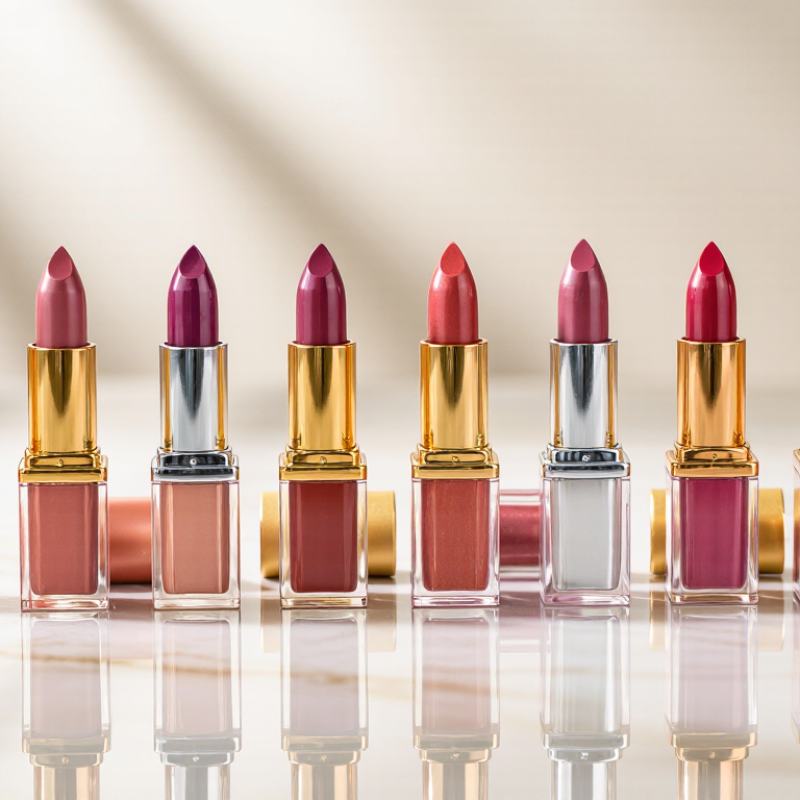
Understand Balm Lip Tint Types, Ingredients, and Key Functions
Balm lip tints sit between color cosmetics and lip care, but formulas vary widely. Some are sheer and wax-rich, leaving a soft stain with a protective feel. Others use more pigment for stronger color and a creamier finish. A balm tint in a pot may feel richer than a stick, while a squeeze tube can be easier to apply on the move. Packaging also affects hygiene and how much product buyers can use.
Read ingredient lists alongside product claims. Waxes and oils help create glide and reduce moisture loss; emollients can soften the feel on dry lips. Humectants such as glycerin may attract water, though their effect depends on the full formula and conditions. Fragrance and flavor can make a product more appealing, but may not suit every user. Test samples on lips, not only on a hand. The difference can be obvious.
Check the key function buyers actually want: a hint of color, lasting stain, comfortable wear, or a conditioning feel. These functions do not always come together. A stronger tint may cling to dry patches, while a very emollient balm may fade quickly after eating. Ask suppliers for shade consistency, texture, wear-test details, and complete product specifications. Claims should be supported by evidence, not just attractive wording. That sounds tidy; real wear is messier. A small trial can reveal what a brochure misses.
Match Product Features to Target Markets and Consumer Needs
Choosing a balm lip tint for several markets starts with local routines, not a universal shade chart. Start with climate. In hot, humid regions, a lightweight, non-sticky texture may feel more comfortable than a dense balm. For colder or drier conditions, buyers may prioritize richer emollients and a smooth glide. Check the ingredient list and request product documentation from suppliers; claims such as “long-lasting” need clear testing support.
Shade matters. Compare colors on different skin tones, since a tint can look brighter or more muted after it settles. A sheer berry may suit shoppers who want a subtle everyday look, while warmer reds may appeal to customers seeking visible color. Ask for samples and test them in natural light. Test it first. Packaging also affects usability: a secure cap helps prevent leaks during travel, and clear shade labels make retail selection easier.
Consumer preferences vary within each country, so avoid treating a whole market as one audience. Review retailer feedback, local search trends, and sample responses before placing a large order. Fragrance-free options can broaden choice for scent-sensitive shoppers, though they are not automatically right for everyone. This is not always neat. One detail buyers sometimes overlook is reapplication: a tint may stain unevenly as balm wears off. Assess comfort, color fade, and packaging together, then confirm that labels and product information meet the destination market’s requirements.
Evaluate Color Range, Texture, Wear, and Packaging
For balm lip tints, compare color range under daylight, not only on a supplier’s digital chart. Ask for swatches on several skin tones, since the same rose shade can look warm or cool. Check how color builds after one and three layers. Too sheer? That may disappoint shoppers expecting tint. Physical samples reveal more than screen images.
Assess texture on clean, dry lips. Note whether the balm glides evenly, feels waxy, or turns sticky after a few minutes. Test it in warm conditions too; heat can soften some formulas during shipping. Wear matters. Record color after drinking water, eating, and wiping gently, rather than relying on a single wear-time claim. Fading can be uneven, and that detail is easy to miss.
Packaging needs equal scrutiny: twist mechanisms should move smoothly, caps should stay secure, and tubes should resist leaks in a packed carton. Check label legibility and confirm that sample packaging matches the proposed production version. A neat prototype is not proof of consistent bulk quality. Request documented batch checks and repeat the handling test before approving an order.
Check Safety Standards, Certifications, and Supplier Reliability
For balm lip tint, request the formula’s ingredient list, safety assessment, stability results, and batch-specific certificate of analysis. Check that testing covers the finished product, not only individual ingredients. Ask which standards the factory follows, such as ISO 22716 for cosmetics good manufacturing practices, and verify certificates with the issuing body. A certificate is useful evidence, but it does not prove every batch is consistent.
The European Commission’s Safety Gate 2023 report recorded 3,412 alerts across product categories, with cosmetics among the frequently notified groups. This is a market-surveillance signal, not a measure of all products sold. The ISO Survey 2022 reported more than 1.2 million ISO 9001 certificates worldwide; quality-system certification can support process control, but it is not a cosmetic safety approval. Check the supplier’s legal entity, audit history, test laboratory, and recall procedure. Request traceable lot records. Small gaps matter.
Tips: Ask for recent batch documents, independent test reports, and a sample from the production line. Compare the sample’s shade, scent, texture, and packaging with the approved specification. Confirm who handles complaints and how quickly records can be supplied. Do not rely on polished certificates alone; I have seen tidy folders leave practical questions unanswered. Verify the details before placing a large order.
Compare Pricing, Minimum Orders, and Global Shipping Terms
Compare balm lip tint quotes on the same basis. A low unit price can hide setup fees, packaging charges, or costly color adjustments. Request a written breakdown for each shade, including sample costs and production pricing. Check whether quoted prices include outer cartons and labeling. Small details matter. Also confirm how long the quote remains valid, since raw material and freight costs can change.
Tip: Compare minimum order quantities by shade, not only by total order. A supplier may accept 1,000 pieces overall but require 500 pieces per color. Ask whether a mixed-shade order is possible, and what it does to the unit cost. If you are testing demand, a smaller first run may be worth a slightly higher price. I may be too cautious here, but unused stock ties up cash.
Shipping terms can change the real landed cost. Ask for the shipping method, estimated transit time, insurance details, and who handles export documents and destination charges. Request a carton’s dimensions and gross weight; these affect freight quotes. Confirm whether the quote includes delivery to your warehouse or only to a port. Treat delivery dates as estimates, not guarantees, and leave room for customs processing or seasonal delays.