



Choosing the best Amart Coffee Table in 2026 is less about chasing a trend and more about finding a piece that fits your room and routine. A low table can look elegant in a showroom, yet feel awkward beside a taller sofa. Start with the space you have. Measure the sofa’s seat height, the available floor area, and the walking route around it. Leave enough room to reach the table without turning every trip across the living room into an obstacle course. Measure twice.
Think about how the table will be used on an ordinary day. A round design may soften a tight seating area, while a rectangular top can suit a longer sofa. Storage can help with remotes, books, or toys, but drawers and shelves need practical access. Check product dimensions, materials, care instructions, assembly details, and current availability before deciding. Small details count. A glossy finish may show fingerprints; textured surfaces can be harder to wipe clean. Looks matter. So does maintenance. Product photos cannot tell you everything about stability or how a finish feels, so read specifications and available customer feedback with care. Compare options against your measurements, budget, and household needs. The best choice is not automatically the largest or most fashionable one. It is the table that works in your space, with a few compromises you have considered honestly.
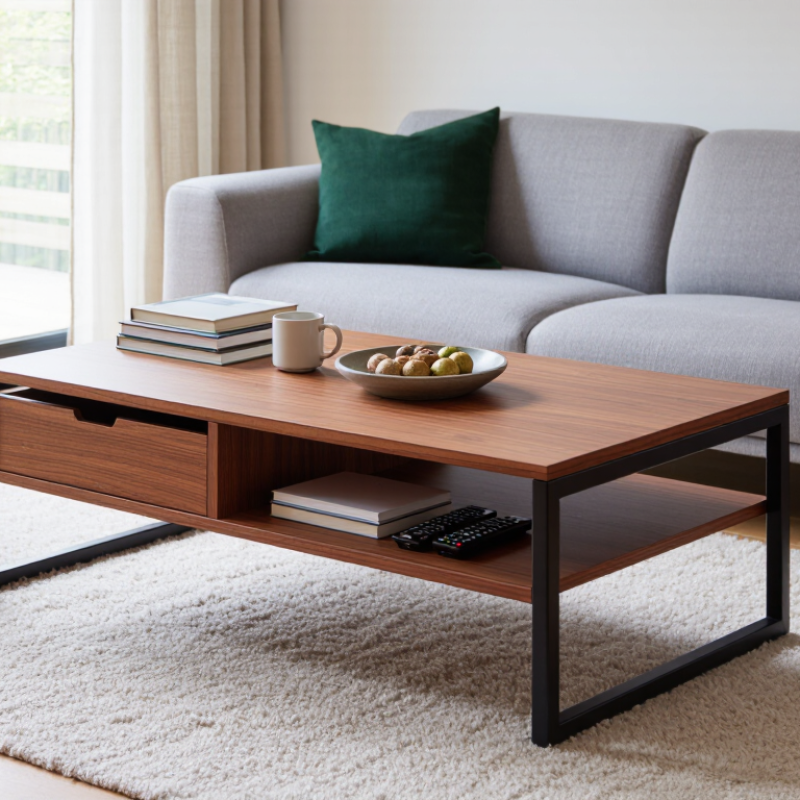
Define the room’s job before choosing a table. Is it mainly a place for coffee, a landing spot for remote controls, or extra surface space when friends visit? Measure the seating area, then leave a clear walking route between the sofa, chairs, and doorway. A tape measure helps, but it cannot show how awkward a sharp corner feels when you pass with a full mug. Check that, too. Note where sunlight falls and where lamps or outlets sit. These small details can affect whether a table feels useful or simply in the way.
Think about daily habits, not an idealized living room. If meals often happen on the sofa, a wipe-clean top may matter more than decorative storage. Families with young children may prefer rounded edges and stable legs. In the National Association of Realtors’ 2023 Profile of Home Staging, 81% of buyers’ agents said staging helped buyers visualize a property as their future home; the living room was staged by 39% of agents. That finding highlights how central this space can feel, though it does not dictate one perfect table. Try marking the proposed tabletop size on the floor with paper or painter’s tape. It may look smaller than expected. Recheck the path before deciding.
How to Choose the Best Coffee Table in 2026?
Compare styles and materials before choosing a finish. A slim rectangular table suits a long sofa, while a round top softens tight walkways. Glass keeps a small room feeling open, but fingerprints show quickly. Solid wood brings visible grain and can be refinished; engineered wood often costs less, though edge damage may be harder to repair. Metal frames feel crisp and sturdy, but check for sharp corners and floor-scratching feet. USDA Forest Products Laboratory’s Wood Handbook explains that wood changes dimensions as moisture levels shift, so leave space near heaters and damp windows. Small detail. It matters.
Tips: Measure the sofa’s seat height and leave roughly 45 cm of walking space around the table. For daily use, test a drawer, inspect the underside, and check whether the surface resists water rings. A beautiful finish can still be fussy. Grand View Research’s Furniture Market Size, Share & Trends Analysis Report valued the global furniture market at $736.6 billion in 2023 and projected 5.4% annual growth through 2030. That broad market figure signals plenty of choice, but it cannot tell you which table will suit your room; measurements and material care are more useful guides.
Typical material trade-offs · Qualitative guide (1 = low, 5 = high)
How to read this: Glass and metal are generally easy to wipe clean, while solid wood can be refinished. Laminate is often lightweight and low-maintenance. These are broad comparisons, not laboratory test results; actual performance depends on the design, finish, and care. Choose a style and material that suit your room, daily use, and maintenance preferences.
Measure the seating area before choosing a coffee table. Leave about 14 to 18 inches between the table and sofa for comfortable movement. A table should usually sit level with the sofa cushions or slightly lower. Mark its footprint on the floor with painter’s tape. This simple test can reveal awkward corners before you buy. A beautiful table that blocks the walkway is still the wrong size.
Match the shape to the room. Rectangular tables work well with long sofas, while round or oval designs soften tight spaces and busy traffic paths. In a small room, a glass top can feel visually lighter, but it may show fingerprints quickly. Storage matters, too. A lower shelf can hold magazines or a remote, while drawers hide small clutter. Check that drawers open fully without hitting nearby furniture. Storage can become a catch-all, though; that part takes some discipline.
Tips: Measure twice, including the table’s height. Keep a clear route to doors and seats. If you often use a laptop or serve snacks, test the reach from your usual seat. Don’t rely on photos alone; finishes and proportions can look different in person.
A coffee table should feel steady before it looks impressive. Press gently on opposite corners and watch for rocking, loose joints, or a top that shifts. Check the underside, too: rough edges, uneven legs, and exposed fasteners can signal rushed construction. Solid-feeling materials are not automatically durable; thin panels may sag under stacked books. Small details matter. If you can inspect the table in person, run a hand along its edges and look closely at the finish. Photos rarely show every flaw.
Care depends on the surface. Use a soft, slightly damp cloth for everyday dust, then dry the area rather than leaving moisture behind. Coasters help prevent rings, though they do not make a surface spill-proof. For wood, follow the maker’s care instructions and avoid harsh cleaners that may dull the finish.
I would also reconsider a table with a wide, sharp-edged top in a tight walkway. Rounded corners can reduce bumps, especially around children, but they do not remove every risk. Check that the table sits level on your floor, keep heavy objects away from its edge, and leave enough room to pass without twisting around it. That last measurement is easy to forget.
When comparing coffee tables in 2026, compare the final cost, not just the listed price. Add delivery fees, assembly charges, and any costs for returning a large item. A table that looks cheaper online may cost more once it reaches your door. Check the listed dimensions against your sofa and available floor space; a tape measure can prevent an awkward fit. Prices and promotions can change, so note when you checked each listing.
Availability deserves the same attention. Look for a clear stock status, delivery window, and pickup option before choosing a style. Stock can shift fast. If a listing says “available,” confirm whether that means ready to ship or simply orderable. For a glass or stone top, ask how it will be packed and delivered, especially if stairs or a narrow hallway are involved. A low price can look convincing, though it may not be the better buy when delivery is delayed or unclear.
Read the warranty terms for the exact model and seller. Check how long coverage lasts, which parts are included, and whether accidental damage or surface wear is excluded. Keep the receipt and a copy of the product details. Keep the receipt. Warranty wording can be easy to skim past, and I might miss a small exclusion on a first read. If a term is unclear, request written clarification before paying.
Prices, stock, and warranty coverage depend on the specific product and seller. The comparison below avoids unverified 2026 figures; check the current product listing and written terms before purchasing.
| Coffee table option | Price to compare | Availability to check | Warranty terms to verify | Useful buying checks |
|---|---|---|---|---|
| Compact, fixed-top table | Check the current listed price, delivery fee, and any assembly charge. | Confirm online stock and whether local collection or delivery is offered. | Check the written warranty period, covered faults, and claim process. | Measure the room and confirm the table’s dimensions and return conditions. |
| Storage table with drawers or shelves | Compare the full delivered cost with similar storage options. | Check stock for the exact finish and confirm delivery timing before checkout. | Check whether hardware, runners, and other components are covered. | Review storage dimensions, assembly requirements, and care instructions. |
| Lift-top table | Compare prices alongside delivery and assembly costs. | Verify that the lift-top version—not just another configuration—is in stock. | Ask whether the lifting mechanism has specific warranty conditions. | Check the open height, mechanism operation, and any stated weight limits. |
| Glass-top or mixed-material table | Compare the total cost and check whether packaging or delivery surcharges apply. | Confirm the exact material and finish are available for the selected delivery area. | Review exclusions for accidental damage and the procedure for reporting transit damage. | Check cleaning guidance, edge details, stability, and packaging inspection advice. |
Before buying, save the product listing and warranty terms shown on the purchase date, and confirm the final price, stock status, delivery estimate, and return policy directly with the seller.