How to Display a Flag Properly?
A flag can change the feeling of a room before anyone reads a sign. Yet a thoughtful Display Flag begins with more than choosing a pole or wall. It means considering the flag’s condition, visibility, surroundings, and the customs associated with it. Vexillographer Ted Kaye, author of Good Flag, Bad Flag, writes, “The flag should be so simple that a child can draw it from memory.” His observation concerns flag design, but it also reminds us that a flag’s meaning should remain clear when it is displayed.
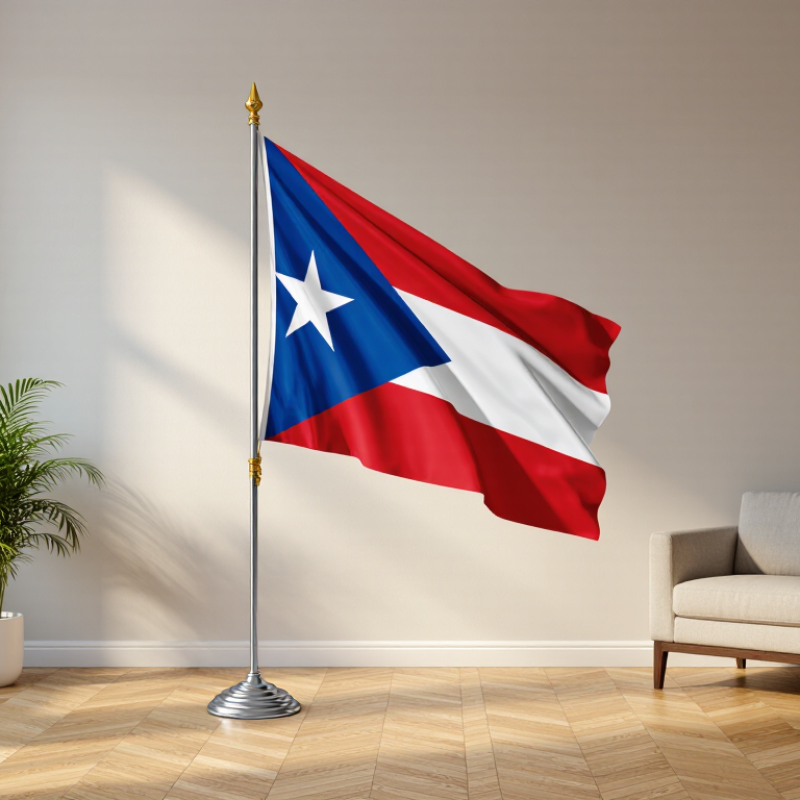
Small choices matter. A clean, dry flag looks different from one left creased beside a dusty window. A pole should hold it securely, while nearby objects should not hide its colors or symbols. For a wall display, check the viewing angle and available light. For an outdoor display, consider wind, weather, and the flag’s material. Details can vary by flag and setting, so confirm guidance from the relevant organization or flag authority instead of assuming one rule fits every case.
Respect is visible. So is carelessness. There may be no perfect arrangement for every space, and even careful displays can invite a second look. That is worth doing. This guide explores practical placement, orientation, mounting, upkeep, and common mistakes, helping readers make informed choices and present a flag with care.
Understand Flag Etiquette and Applicable Rules
How to Display a Flag Properly?
Understand Flag Etiquette and Applicable Rules
Flag etiquette depends on where you display it. Check local and national guidance before raising a flag, since placement and timing rules vary. In the United States, the U.S. Flag Code advises that an outdoor flag displayed at night should be illuminated. It also says a flag should not touch the ground. These are U.S.-specific guidelines, not universal instructions. Small details matter.
Care matters, too. Secure the halyard so it cannot slap against a metal pole, and check for frayed edges after windy weather. NOAA’s UV Index scale runs from 0 to 11+, with 11+ classified as extreme exposure; strong sunlight can accelerate fading. Take the flag down during severe weather if its material or local guidance calls for it. I would not assume every fabric handles the same conditions.
Tips: Keep the flag clean and dry, and store it folded in a cool, dry place. Follow the maker’s care label, then check local display protocols. A slightly imperfect fold is better than leaving damp fabric bundled for days. Sources: U.S. Flag Code, Title 4, Chapter 1; NOAA, UV Index Scale.
Choose a Clean, Intact Flag for Display
Before raising a flag, inspect it in bright daylight, not just from across the yard. Look closely at the edges, seams, and attachment points; loose stitching can worsen in wind. Check for fading, stains, mildew, holes, and frayed corners. A clean appearance matters. So does sound fabric. If washing is appropriate, follow the care guidance for that material. Use a gentle method, then let the flag dry completely before display. Damp fabric can develop an odor or mildew in storage.
Minor surface dirt may come away with careful cleaning, but avoid scrubbing printed areas or pulling at loose threads. If damage affects the flag’s shape, colors, or secure attachment, consider whether repair is suitable or replacement is more respectful. A quick glance can miss a weak seam. That is easy to underestimate. Between uses, store the flag clean and dry, away from damp floors and sharp tools. Check it again before each display; weather and handling can change its condition overnight. A spotless flag is not the only measure of respect, but a clean, intact one presents clearly.
How to Display a Flag Properly? — Choose a Clean, Intact Flag for Display
The chart compares the areas of U.S. flags made to the official 1:1.9 hoist-to-fly proportion. Before display, check that your flag is clean and free from tears or fraying.
Areas are calculated from the dimensions shown (hoist × fly). The 1:1.9 proportion is specified in U.S. Executive Order 10834.
Select the Location and Position the Flag Correctly
How to Display a Flag Properly?
Select the Location and Position the Flag Correctly
Choose a spot where the flag is easy to see, with clear space around it. Keep it away from branches, walls, and overhead wires that can snag or soil the fabric. Check the view from the street and the main entrance; a flag hidden behind a tree is poorly placed, even if the pole is secure. Position the pole so people can pass safely, and make sure its base stands firm on level ground.
Raise the flag so it hangs freely and does not brush the ground, roof, or nearby objects. Follow the display conventions for the flag’s country and setting, since orientation rules can differ. Wind matters, too. The National Weather Service’s Beaufort Wind Scale places Force 4 at 13–18 mph, when small branches move and flags may extend. That range is a useful reminder to check the flag and its fittings when steady breezes arrive, rather than waiting for visible damage.
Tips: Step back and check the flag from several angles. Look for twists, fading, or fabric catching on nearby surfaces. A placement can look correct from the doorway and still need adjustment from the sidewalk.
How to Display a Flag Properly? - Select the Location and Position the Flag Correctly
| Display Location | Recommended Position | Practical Setup | Check Before Displaying |
| Outside on a flagpole | Mount the flag securely on a suitable pole, clear of trees, buildings, and overhead wires. | Choose a flag and pole suited to local weather; lower or remove the flag in severe conditions if necessary. | Check that the flag can move freely and will not touch the ground or become caught on nearby objects. |
| On a wall or building | Attach it firmly and orient it according to the flag’s official instructions and applicable local protocol. | Select a visible position that does not block entrances, signs, windows, or pedestrian routes. | Confirm the design is not upside down and that the attachment will withstand expected wind and weather. |
| Indoors in a meeting or event space | Use a stable stand or wall mount where the flag is clearly visible without obstructing people or activities. | Keep the fabric away from heaters, candles, and other potential sources of heat or flame. | Check that the flag is clean, intact, and arranged in the correct orientation for its design. |
| Displayed with other flags | Follow the relevant national, local, or event protocol for order, precedence, and placement. | Arrange flags neatly and use appropriately sized poles and flags for a balanced display. | Make sure no flag is placed in a way that conflicts with the applicable protocol or obscures another flag. |
| Displayed after dark | Use adequate lighting if the applicable flag code or local guidance calls for illumination while displayed at night. | Position lighting to make the flag visible without creating glare or an electrical hazard. | Check local rules, lighting safety, and whether the flag should instead be lowered at night. |
Note: Flag etiquette and legal requirements vary by country, organization, and event. Consult the relevant official guidance for exact orientation, order of precedence, and rules for display.
Raise and Display the Flag with Other Flags
When raising a flag alongside others, plan the arrangement before anyone lifts a pole. Check the protocol used by the country or organization represented; precedence and placement rules can differ. Where flags have equal standing, use matching poles and keep them at a similar height. If one flag represents the host, local guidance may give it a distinct position.
Keep them level. Make sure each flag opens freely and does not wrap around a neighboring pole. Leave enough space between poles for fabric to move in a light breeze. A tangled edge can look careless, even when the flags are clean. In calm weather, check that each flag remains visible rather than folding against its pole.
For a row of several flags, arrange them in the order specified by the relevant protocol, then check the view from the main approach. Keep each flag in good condition, and replace one that is badly torn or faded. Small details matter. I have seen carefully planned displays look uneven because one pole stood lower on sloped ground. It is worth stepping back and checking the line again; sometimes the spacing still feels a little off.
Lower, Store, and Retire the Flag Respectfully
When a flag is no longer being displayed, lower it carefully rather than pulling it down in a rush. Keep the fabric from touching the ground, pavement, or nearby furniture. If another person is available, ask them to help guide the cloth. Wind can twist a flag around its pole, so pause and untangle it gently. Small care matters.
Before storing the flag, check for dampness, dirt, or loose stitching. Let it dry fully in a shaded, airy place, then fold it neatly using the method customary for that flag. Store it in a clean, dry container away from direct sunlight, heaters, and pests. Avoid crushing it under heavy items. It is easy to hurry this step; I would rather refold a crooked edge than force the fabric into a tight bundle.
Tips: If the flag is badly faded, torn, or beyond repair, don’t leave it outdoors to deteriorate further. Ask a local civic group, veterans’ organization, or flag steward about respectful retirement options; customs can vary by place. Keep the flag clean and dry while arranging this. A quiet, thoughtful handoff is enough.