What is Pu Leather and Why Should You Choose It for Sourcing?
Pu Leather, a synthetic alternative to genuine leather, has gained immense popularity in recent years. Reports from industry experts reveal that the global demand for PU leather products is expected to grow by over 10% annually. This growth is largely driven by the increasing awareness of animal welfare and the environmental impact of traditional leather production. PU leather offers a compassionate and eco-friendly solution without sacrificing style or durability.
From furniture to fashion, PU leather serves various industries. Its versatility and affordability make it an attractive choice for designers and consumers alike. In fact, a study indicated that 70% of consumers prefer PU leather over traditional leather for its modern appeal and greater color options. However, potential buyers should consider quality differences, as not all PU leather products are created equal.
As the market evolves, it is essential to understand not just the benefits but also the drawbacks of PU leather. While it is often more cost-effective, some products may lack the breathability and longevity of genuine leather. Sourcing high-quality PU leather requires strategic decision-making, ensuring that manufacturers adhere to sustainability practices. Thus, informed choices can lead to positive outcomes for both businesses and consumers.
What is Pu Leather and Its Composition: A Detailed Breakdown
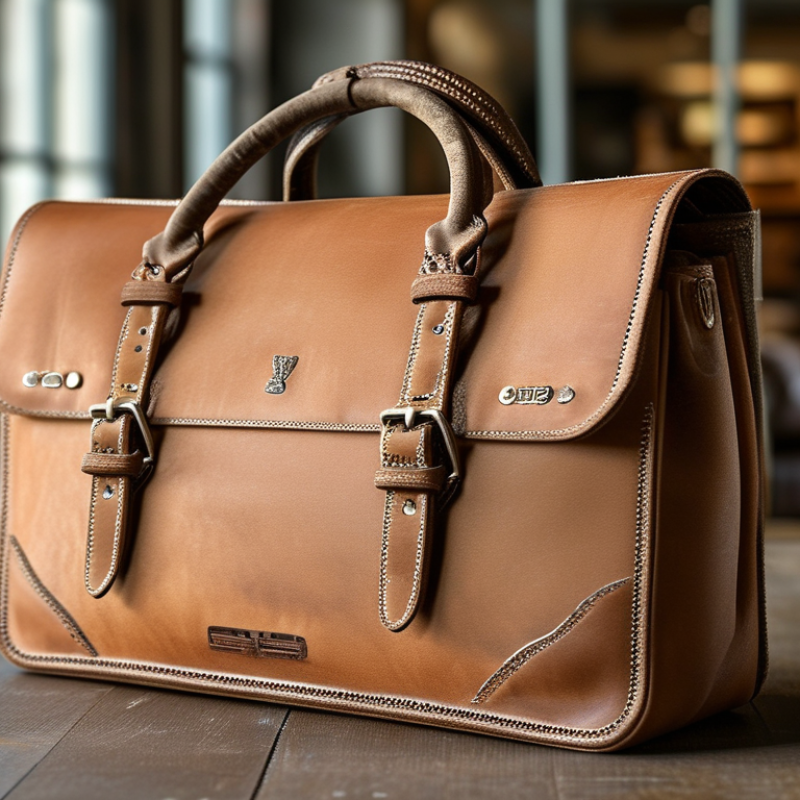
Pu leather, also known as polyurethane leather, is a versatile material made from a thermoplastic polymer. The composition often includes a base fabric, such as polyester or cotton, coated with a layer of polyurethane. This combination offers durability and a texture similar to genuine leather. Pu leather is typically lightweight and easy to maintain, which makes it popular for various applications, from upholstery to fashion accessories.
When choosing materials for sourcing, consider the environmental impact of Pu leather. Unlike traditional leather, which involves animal products and can have a higher carbon footprint, Pu leather is more animal-friendly. However, it is essential to reflect on its long-term durability compared to real leather. Some consumers may find that while it suits their needs now, it may not last as long.
Tips for sourcing: Always check the manufacturing standards of Pu leather. Not all manufacturers adhere to the same environmental practices. Sustainability should be a priority in your sourcing process. Additionally, when assessing potential suppliers, ask about the long-term performance of their Pu leather products. Make sure you select reliable sources to ensure the quality you expect.
Advantages of Pu Leather Over Genuine Leather in Product Sourcing
PU leather, or polyurethane leather, is becoming a popular choice in product sourcing. Its affordability is a significant draw for many businesses. Unlike genuine leather, PU leather offers a variety of textures and colors, making it versatile for different products. This flexibility is appealing for designers and manufacturers alike.
One of PU leather's main advantages is its durability. It is resistant to stains and easy to clean. This makes it suitable for items like bags, jackets, and upholstery. In contrast, genuine leather can suffer from water damage and requires special care. PU leather's low maintenance needs can save consumers time and effort.
Additionally, PU leather is more environmentally friendly than genuine leather. The production process emits fewer harmful chemicals. It also does not require animal skins, making it a more ethical choice. However, some consumers question its long-term durability compared to genuine leather. This shows the importance of considering these factors in product sourcing.
Market Demand for Pu Leather: Trends and Consumer Preferences
The demand for PU leather has been steadily rising. This synthetic alternative is favored for its durability and aesthetic appeal. Consumers are increasingly aware of sustainability, pushing brands towards eco-friendly options. PU leather fits this criteria well. It is often seen as a more ethical choice compared to traditional leather.
Trends indicate that younger generations prefer products that reflect their values. They are drawn to styles that are both modern and sustainable. In addition, the versatility of PU leather allows it to be used in various applications. From fashion to home decor, this material appeals widely. Yet, some consumers express concerns about the longevity of PU leather compared to leather.
Despite its benefits, some still question whether PU leather is a superior option. There are debates about its environmental impact during production. Brands must address these concerns transparently. As demand grows, so does the need for reliable sourcing practices. Sustainability and ethics will likely continue shaping consumer preferences in the future.
Sustainability Aspects of Pu Leather: Eco-Friendly Production Practices
PU leather, or polyurethane leather, is gaining traction in the fashion industry due to its eco-friendly attributes. This synthetic material is produced without the use of toxic chemicals typical in traditional leather manufacturing. The processes involved in creating PU leather are designed to minimize waste. Many producers utilize recycled materials. This emphasizes a commitment to sustainability.
The production of PU leather often involves less water than conventional leather. In many cases, manufacturers are adopting innovative techniques to reduce energy consumption. However, not all practices are perfect. Some PU leather can still be petroleum-based, raising questions about its overall impact on the environment. Therefore, consumers need to research producers to ensure they adhere to sustainable practices.
Choosing PU leather means supporting a more sustainable future. However, it requires awareness of the manufacturing process. Transparency is crucial. The eco-friendliness of PU leather can’t be taken at face value. So, it’s vital to seek out brands that prioritize responsible sourcing and sustainable methods. This ensures that our choices contribute to positive change in the industry.
Cost-Effectiveness of Pu Leather: Budget-Friendly Sourcing Solutions
Pu leather, or polyurethane leather, has gained popularity for various sourcing needs. Its cost-effectiveness makes it an attractive option for budget-conscious buyers. Unlike genuine leather, Pu leather is generally more affordable. You can find styles that mimic the look and feel of real leather without breaking the bank.
When sourcing Pu leather, consider choosing high-quality options. Not all Pu leathers are created equal. Some may wear out quickly while others remain durable. Look for materials with a higher polyurethane content for better quality. This helps ensure that your products last longer and perform well.
**Tip:** Always ask for samples before making large orders. This can help you assess the quality of the fabric.
Another advantage is its versatility; Pu leather can be treated for various applications, from furniture to fashion. However, it is essential to weigh the environmental impact against the cost. Production methods vary, and not all manufacturers follow sustainable practices.
**Tip:** Research potential suppliers. Check their certifications and ask about their production processes. This can lead to more informed sourcing choices.