





Top Roller Compactor Types and How to Choose
Choosing a Roller Compactor is not simply a matter of selecting the heaviest machine. Drum design, vibration, surface conditions, and project scale all affect the result. The Federal Highway Administration’s Soils and Foundations Reference Manual explains why soil type, moisture, and compaction method matter when building stable ground. In practice, a roller that performs well on granular road base may be a poor fit for cohesive clay. Small details count. A damp patch beside a curb can respond differently from a dry, open stretch of pavement.
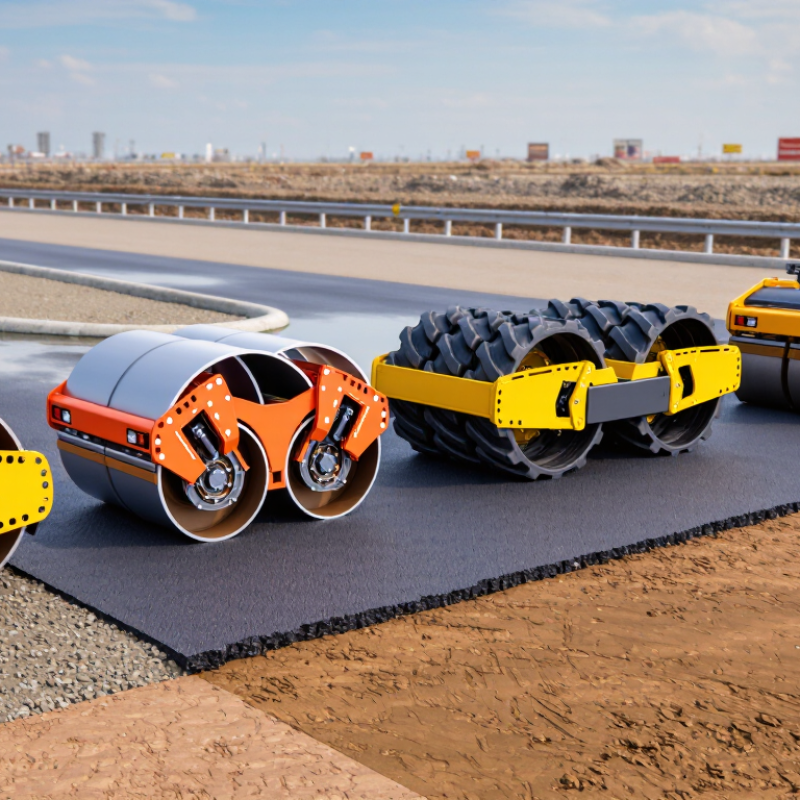
Common options include single-drum vibratory rollers, tandem rollers, pneumatic-tire rollers, and static steel-wheel rollers. Each applies pressure differently. Vibratory models suit many granular materials, while pneumatic tires can knead surfaces and help seal asphalt mixes. Tandem rollers are widely used for paving, where smooth finishes matter. These are useful starting points, not guarantees. The U.S. Army Corps of Engineers’ Engineering Manual EM 1110-2-1911 on construction control for earth and rock-fill dams also emphasizes matching compaction procedures to material and field conditions. That principle applies beyond dam projects.
Before comparing machines, identify the material, layer thickness, working width, access limits, and required finish. Check the manufacturer’s specifications, then confirm the choice with a qualified operator or site engineer. Tests and trial passes provide better evidence than a brochure alone. Honestly, specifications cannot capture every site’s quirks. A narrow work area, changing moisture, or nearby structures may change the practical choice. The right machine is the one that meets the project’s needs safely and consistently—not merely the one with the largest drum.
Main Components and Operating Principles of Roller Compactors
A roller compactor uses pressure to turn loose powder into dense ribbons or flakes. Its main parts include a feed hopper, a screw feeder, two compaction rollers, and a discharge scraper. The hopper holds the blend, while the feeder delivers it steadily into the roller gap. Uneven feeding can create ribbons with inconsistent density.
The rollers rotate toward each other and press the powder together. Hydraulic or mechanical systems apply and control the force, while adjustable gaps influence ribbon thickness. Scrapers remove material sticking to the roller surfaces. A downstream mill can break the ribbons into granules of a more usable size. Small changes matter. Operators often monitor feed rate, roller force, gap, and ribbon appearance together; adjusting only one setting may not solve the problem.
Tips: Check that powder flows evenly before increasing pressure. Look for cracks, loose edges, or excessive fines in the ribbons. Keep guards in place, and follow the equipment maker’s operating instructions. Real materials can behave unexpectedly, so record trial settings and review them rather than assuming one setup will always work.
Top Roller Compactor Types and How to Choose — Main Components and Operating Principles
| Compactor Type | Main Components | Operating Principle | Typical Applications | Selection Considerations |
|---|---|---|---|---|
| Static smooth-wheel roller | One or more smooth steel drums, frame, power unit, drive system, steering system, and ballast where fitted. | Uses the machine’s weight and drum contact pressure to compress and densify the surface. It does not rely on vibration. | Finishing and compacting asphalt; compacting thin layers of granular material; smoothing surfaces. | Consider for finishing work and applications where vibration may damage nearby structures or disturb the material. It is generally less effective than vibratory equipment on thick or poorly compacted layers. |
| Single-drum vibratory roller | Steel front drum, rear tires, eccentric mass, vibration drive, engine, frame, and controls. | An eccentric mass produces repeated drum vibration. The combination of static load and dynamic force helps rearrange soil or aggregate particles into a denser layer. | Compacting granular soil, gravel, crushed stone, and other suitable earthwork materials. | Match drum width, operating mass, vibration frequency, and amplitude to the material and lift thickness. Check the specified vibration setting and avoid unnecessary vibration near sensitive structures or utilities. |
| Tandem vibratory roller | Two steel drums, vibration system, articulated frame, drive and steering systems, water-spray system, and operator controls. | One or both drums apply static load and controlled vibration. The paired drums provide a smooth rolling path and help compact pavement layers uniformly. | Asphalt paving, road surfaces, and other applications requiring a relatively smooth finish. | Choose based on paving width, layer thickness, required finish, and whether vibration can be used on the material. Water spray helps reduce asphalt sticking to the drums. |
| Pneumatic-tire roller | Multiple rubber tires, ballast system, chassis, engine, drive system, and tire-pressure controls. | Repeated tire contact applies pressure and kneading action. The overlapping tire pattern helps work material across the surface. | Asphalt compaction and selected soil or aggregate work, particularly where a kneading effect is useful. | Consider tire load, tire pressure, ballast, and the surface temperature or moisture conditions. It can help close surface voids, but tire marks and material pickup should be managed appropriately. |
| Padfoot (sheepsfoot) roller | Drum fitted with projecting pads, frame, power unit, drive system, and, on some models, a vibration mechanism. | Pads concentrate force into the soil and create a kneading action. As the layer compacts, the drum rides higher and the pads penetrate less deeply. | Cohesive soils such as clay and silty clay, subject to the project’s soil and moisture requirements. | Best suited to cohesive material rather than clean, free-draining granular material. Select pad shape, drum size, and operating weight for the soil type and specified lift thickness. |
| Trench roller | Compact articulated frame, padfoot or smooth drums, vibration system, remote-control equipment, and drive components. | Applies static and, when equipped, vibratory compaction in confined areas. Remote operation keeps the operator away from the trench edge and compacting zone. | Backfill and soil compaction in narrow trenches and other restricted-access areas. | Check working width, access clearance, remote-control range, slope limits, and the required drum or pad configuration. Follow trench safety requirements and the machine’s operating instructions. |