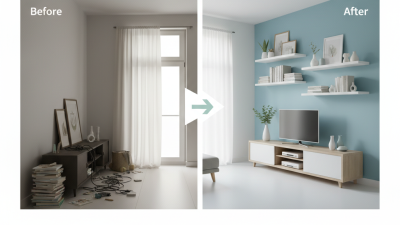
Wall mounted shelves can make a bare wall useful, but the right style depends on what it must hold. A narrow floating shelf can display framed photographs above a desk. A deep, bracket-supported shelf is better suited to cookbooks, folded towels, or heavier everyday items. There is no single best choice. Wall material, fixing method, shelf depth, and room use all matter.
Interior designer Nate Berkus has said, “Your home should tell the story of who you are, and be a collection of what you love.” Shelves can help tell that story, but they also need to work safely and comfortably. In 2026, popular options include floating shelves, visible-bracket designs, corner shelves, picture ledges, industrial pipe styles, and modular systems. Each solves a different problem. Some keep hardware out of sight; others make sturdy supports part of the look. A small trade-off.
This guide compares those types by appearance, practical use, installation needs, and common limitations. It also considers how shelf depth, spacing, and load capacity affect daily use. Product specifications vary, so check the manufacturer’s guidance and choose fixings suited to the wall. A beautiful shelf is not automatically a suitable one. And sometimes the simplest design is the easiest to live with. That deserves a closer look.
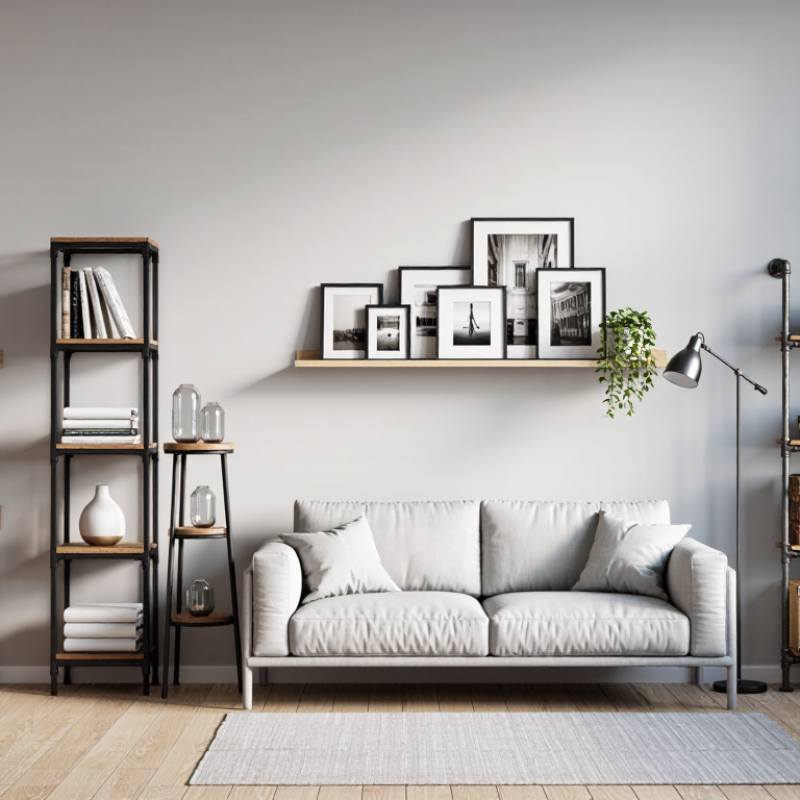
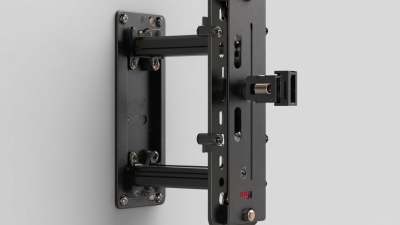
A wall-mounted shelf is a storage surface fixed to a wall, not supported by legs or a floor-standing frame. Its defining feature is how it transfers weight: through brackets, rails, or concealed rods into wall anchors and, when possible, framing studs. That connection matters. A shelf may look like it “floats,” but hidden hardware still carries its load. This separates decorative ledges from deeper shelves designed for books, dishes, or tools.
The 2024 U.S. Houzz & Home Study reported median renovation spending of $24,000 in 2023, up from $22,000 in 2022. The study does not track shelf purchases, but it offers context for household investment in home upgrades. When assessing a shelf, check the wall material, fixing method, depth, and intended load—not appearance alone. A neat row of screws can still be poorly anchored. I find this easy to overlook: the shelf board is visible, while the support doing the real work is often hidden.
Wall-mounted shelves are often classified by their support system. Floating shelves conceal their brackets, creating a clean, uninterrupted line. Bracket shelves use visible supports beneath the board, which can suit heavier everyday items when the wall fixing is appropriate. Some look almost weightless. The hidden hardware still matters.
Other types are grouped by shape and placement. Corner shelves fit into unused angles, while ledge shelves have a raised lip that helps keep small frames or jars from sliding forward. Track-based systems use adjustable brackets, so shelf heights can change as storage needs shift. They are practical, though the visible rails may feel busy in a quiet room.
Materials offer another useful classification: solid wood, engineered wood, glass, and metal each behave differently. Wood brings a warmer texture; glass keeps a space visually open but shows dust quickly. These categories overlap, and labels alone do not tell you whether a shelf will work. Check the wall surface, fixing method, shelf depth, and intended load before choosing. A shallow shelf beside a doorway may be safer and more useful than a deep one that catches sleeves.
Wall-mounted shelves in 2026 still fall into a few practical types. Floating shelves hide their supports inside the board, creating a clean, uninterrupted line. They suit books, small frames, and everyday objects, but installation needs accurate measurements and secure fixings. A slightly crooked floating shelf is hard to ignore.
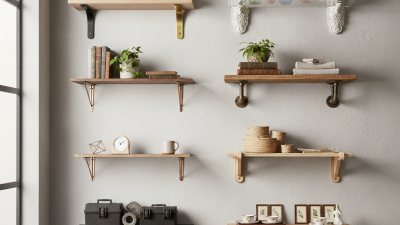
Bracket shelves use visible metal or wooden supports beneath the shelf. They are often easier to inspect and can work well for heavier items, provided the brackets and wall anchors match the load. Choose bracket spacing based on shelf length and what you plan to store, not appearance alone.
Picture ledges have a shallow front rail that helps keep frames from sliding. They are useful in hallways or bedrooms, where pictures may be changed often. Corner shelves make use of awkward spaces, while rail-based and modular systems let you reposition shelves as needs change. Handy, but not always tidy.
Material matters as much as shape. Solid wood, engineered boards, glass, and metal differ in weight, care, and resistance to moisture. Check the wall type before choosing hardware; drywall, masonry, and timber studs require different fixing methods. A shelf’s advertised capacity may assume ideal installation, so treat it as guidance rather than a guarantee. I have seen people choose a deep shelf for a narrow passage, then regret the bump risk. Measure the space with the door open and everyday movement in mind.
Typical shelf depth by style. Bars show the midpoint of the common depth range listed in each category.
Floating, bracketed, corner, picture-ledge, and track-mounted shelves come in varied sizes. The ranges shown are typical examples, not fixed standards; check product dimensions and load limits before installation.
Floating shelves hide their supports, creating a clean line, but their fixings carry the real load. Solid wood, plywood, and engineered panels suit this style; each needs a bracket or concealed rod secured into suitable framing or masonry. The USDA Forest Products Laboratory’s Wood Handbook (2021) places wood’s fiber saturation point near 30% moisture content. Below that point, moisture changes can shift wood dimensions. Small detail, big effect: leave room for seasonal movement, especially in long solid-wood shelves.
Visible-bracket shelves spread weight through metal arms and are easier to inspect. Track systems offer adjustable heights, while glass shelves usually need dedicated clips and careful edge protection. Different materials, different weak points. A screw that holds well in a stud may perform poorly in hollow drywall, so match the anchor to the wall and check its rated capacity. Ratings vary by substrate, spacing, and installation quality; they are not universal. I would not trust appearance alone. Even a sturdy-looking shelf can sag if its span is too wide or its fixing misses the framing.
Choosing a wall-mounted shelf starts with what it must hold, not how it looks. Floating shelves suit books, frames, and small objects, while visible-bracket shelves often provide clearer support for heavier loads. Rail systems allow flexible repositioning; corner shelves make use of awkward spaces. Measure the wall, item depth, and walking clearance before buying. A shelf that looks perfect online may feel awkward above a desk.
Check the wall material and the shelf’s stated load limit. Fasten into studs where possible, or use anchors rated for the wall type and expected weight. For plasterboard, a long shelf filled with cookbooks needs more careful support than a short shelf holding a plant. In bathrooms, choose a moisture-resistant finish and leave room for ventilation. The 2024 U.S. Houzz & Home Study reported that 54% of surveyed homeowners renovated in 2023, with a median renovation spend of $24,000. It is broad renovation data, not shelf-specific, but it underscores why measuring and planning before installation can prevent costly rework.
Tips: Mark the shelf edges with painter’s tape and live with the outline for a day. Check door swings and nearby sockets. Keep frequently used items within easy reach. Recheck the fixings after loading; I sometimes underestimate how quickly “just a few” books add weight.
| Shelf Type | Typical Depth | Best Uses | Typical Load Profile | Mounting Considerations | Choose It If… |
|---|---|---|---|---|---|
| Floating shelf | 6–12 in (15–30 cm) | Living rooms, bedrooms, and minimalist displays | Usually suited to light or medium items; capacity depends on the shelf, internal support, wall, and fixings. | Hidden brackets need accurate installation. Fix into studs or use anchors suitable for the wall material. | You want a clean look with no visible brackets and do not need frequent shelf adjustment. |
| Bracket-supported shelf | 8–16 in (20–41 cm) | Pantries, work areas, utility rooms, and general storage | Can suit medium or heavier storage when brackets and fixings are properly matched to the wall and load. | Visible brackets support the shelf from below. Bracket spacing and secure attachment matter, especially for deeper shelves. | Support and straightforward installation matter more than a concealed mounting system. |
| Standards-and-brackets (adjustable track) shelf | 8–16 in (20–41 cm) | Closets, garages, laundry rooms, and changing storage needs | Load capacity varies by track, bracket, shelf, wall construction, and fixing method; follow the system’s stated limits. | Tracks must be secured to suitable structural support or appropriate wall anchors. Brackets can be repositioned along the tracks. | You expect to change shelf heights or reconfigure the storage layout over time. |
| Corner shelf | 8–12 in (20–30 cm) from the corner | Bathrooms, kitchens, and otherwise unused room corners | Generally best for light to medium items, depending on design and how securely both sides are fixed. | Check that the shelf fits the corner and that both adjoining walls can accept its mounting hardware. | You want to use a corner without taking up much open wall space. |
| Picture ledge | 3–6 in (8–15 cm) | Displaying framed photos, prints, and small decorative objects | Typically intended for light display items rather than substantial storage. | A front lip helps keep displayed objects from sliding off, but the ledge still needs secure wall fixings. | You want to rearrange artwork easily without putting new holes in the wall for each layout. |
| Wire shelf | 8–20 in (20–51 cm) | Pantries, closets, laundry rooms, and ventilated storage areas | Varies widely with wire gauge, span, support spacing, and installation; check the shelf system’s load guidance. | Open construction allows airflow. Use compatible supports and account for smaller items that may need a liner. | Ventilation, visibility, or easy cleaning is a priority. |
| Wall-mounted cabinet shelf | 10–15 in (25–38 cm) | Kitchens, bathrooms, and storage where items should be enclosed | Capacity depends on the cabinet, its mounting rail or fixings, the wall, and how weight is distributed. | Cabinets are heavier than open shelves; secure them to appropriate structural support and follow installation instructions. | You need concealed storage or want to keep contents protected from dust and view. |
| Fold-down wall shelf | Commonly 10–18 in (25–46 cm) when open | Compact work surfaces, occasional-use desks, and small utility areas | Use only within the shelf’s specified working load; the hinge, support mechanism, wall, and fixings all affect capacity. | Requires secure mounting and clear space for the shelf to fold down and up without obstruction. | You need a surface that can be tucked away when it is not in use. |
Before choosing: Measure the available wall space and the items you plan to store. Shelf dimensions and load ratings vary by product; always follow the installation instructions and use fixings appropriate for the wall material. For heavy loads, secure the shelf to studs or other suitable structural support.