




Leather Leggings are close-fitting trousers made from leather or leather-like materials. Their smooth surface and narrow shape create a sharper look than ordinary knit leggings. Some use genuine leather, while others use coated fabric or synthetic alternatives. The label alone does not tell you which. Check the product description and material details.
Fashion designer Coco Chanel is often credited with saying, “Fashion is architecture: it is a matter of proportions.” Her remark is not specifically about Leather Leggings, but it offers a useful way to consider their fit. A high waist, ankle length, or subtle sheen can change how a pair balances an outfit. Small details matter.
There is no single standard construction. Some pairs feel soft and flexible; others feel firmer, warmer, or less breathable. Imagine a glossy finish catching light at the knee, or seams pressing during a long walk. Fit and comfort deserve equal attention. So does care. Cleaning instructions vary by material, and harsh products may damage certain finishes. Check the label.
This guide explains what Leather Leggings are, how their materials differ, and what to look for when choosing a pair. It also considers fit, styling, and care without treating every product as identical. That distinction is easy to miss. One useful caution: a polished appearance does not guarantee comfort, durability, or quality. A little skepticism helps.
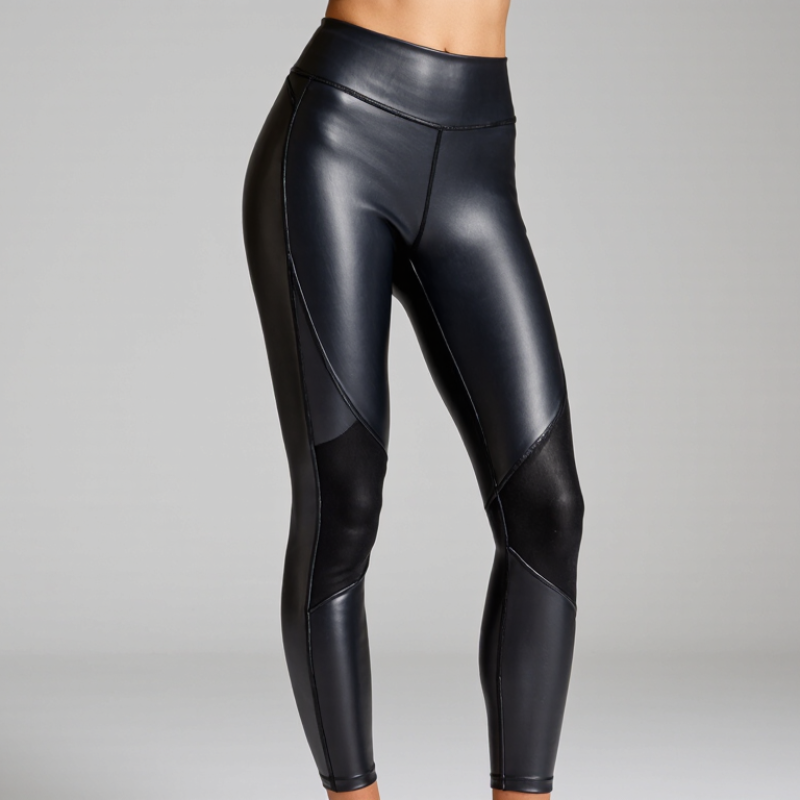
Leather leggings are close-fitting trousers made from leather or leather-like materials, shaped to follow the legs. Genuine leather is made from animal hide, while faux leather usually combines a textile backing with a synthetic coating. Both can look smooth or lightly grained, but they feel and wear differently. Real leather often shows small variations in texture. Coated fabrics tend to look more uniform. The material label matters.
Some styles use leather throughout, while others have stretch fabric panels for easier movement. Their surface may be matte, glossy, or softly pebbled. A comfortable pair should allow you to sit and bend without pulling sharply at the knees or waist. Fit varies by cut and material, so “leather leggings” does not describe one exact feel. Details matter. Even a polished pair can crease in places.
Tips: Check the care label before cleaning, and test any cleaner on a hidden spot. For a close fit, try sitting and walking in them before deciding. Faux leather may feel warmer or less breathable than fabric leggings. Not always, but it is worth noticing.
Leather leggings are built from a surface material, a backing, and carefully placed seams. Genuine leather is made from animal hide, split or shaved to a chosen thickness, then treated and finished. Its grain may show small pores, creases, and irregular marks. Those details are normal, not defects. A thin, soft hide can drape closely, but it may need a stretch lining or elastic panels for easier movement.
Many leather-look leggings use a polyurethane coating over a knitted backing, often polyester. Textile Exchange’s Materials Market Report 2024 estimates global fiber production reached 124 million tonnes in 2023, with polyester making up about 57 percent. That figure describes the wider fiber market, not leggings specifically, but it helps explain why polyester-backed materials are common. The coating creates a smooth surface; the knit underneath supplies flexibility. Check the care label: heat and harsh cleaning can damage coatings. Small detail. The surface may look supple, yet feel warm after a long walk.
Construction matters as much as material. Flat seams reduce rubbing, while a reinforced gusset can help leggings move comfortably when sitting or bending. ISO 3376 specifies a method for measuring leather tensile strength, and ISO 11640 covers color fastness to rubbing. These standards describe useful tests; they do not guarantee every garment’s performance. Ask how the material was tested, and inspect the inner seams. A seam can still fail. I would not judge quality by shine alone.
Leather leggings are close-fitting trousers made from leather, or from stretch fabric finished to resemble it. Genuine leather versions may use thin lambskin panels with elastic inserts, since hide alone rarely moves like jersey. Faux leather usually pairs a knitted backing with a polyurethane coating. Check the label: “leather-look” does not mean animal hide. Small details matter.
Common types differ by surface and construction. Smooth, matte finishes look understated and tend to show fewer reflections; semi-gloss and patent finishes catch light and reveal creases more clearly. Suede and nubuck have a soft, brushed nap, but can mark more easily.
Embossed finishes add grain-like texture, while coated textiles offer a similar appearance at a different price and care level. Grand View Research estimated the global leather goods market at USD 468.5 billion in 2023; that figure covers many products, not leggings alone. It signals a broad market, not proof of demand for any one style.
When comparing pairs, inspect seam stretch, coating flexibility, and care instructions under bright light. A glossy sample can feel surprisingly stiff. Real wear may differ.
Leather leggings are close-fitting trousers made with genuine leather or leather-look materials. Their surface is usually smoother and more structured than jersey leggings. That changes how they look and feel. A pair may hold its shape around the knees, while cotton or stretch-knit leggings often soften and crease during wear. Leather styles can also have a subtle sheen, adding a sharper finish to a simple sweater or long shirt.
The biggest difference is performance. Everyday fabric leggings are generally softer, lighter, and more breathable for workouts or long periods of sitting. Leather leggings tend to feel warmer and less airy, and their coating may limit stretch. Fit matters. Check the waistband, seams, and inner lining; a tight pair can pull when you bend. Care is different, too: many leather-look fabrics need gentle wiping rather than hot washing. Genuine leather may require specialized care. I still find the texture takes getting used to.
Tips: Try them on while sitting and walking. Look for smooth movement at the knees, a waistband that stays put, and no sharp pulling across the hips. If the material feels clammy in the fitting room, it may feel worse after hours.
Leather leggings are close-fitting trousers made from leather or a leather-like material, often with stretch panels for easier movement. A good fit should feel secure without pinching at the waist or pulling sharply across the knees. Fit matters most. Sit, walk, and bend before deciding; fabric that looks smooth while standing may feel restrictive once you move. Some materials soften with wear, but don’t count on tight leggings stretching enough to become comfortable.
Their sleek finish works with roomy sweaters, long shirts, or simple jackets. They can suit casual outings and some dressier settings, depending on the material and styling. Keep the rest of an outfit comfortable: a soft knit can balance the close fit and reduce rubbing. Leather may feel warm during long indoor wear, while thinner alternatives can feel less insulating. I still find the care label easy to overlook, especially when two pairs look similar.
Care depends on whether the leggings are genuine leather or a synthetic material, so check the maker’s instructions first. For a small surface mark, use a soft, slightly damp cloth and avoid soaking the fabric. Don’t place leggings near a radiator or use direct heat to dry them. Let them air-dry. Genuine leather may need a suitable conditioner, while some synthetic finishes can be damaged by oils or harsh cleaners. Test any product on a hidden area, and store the leggings away from sharp objects that could scratch the surface.
| Topic | Key Details | Practical Guidance |
|---|---|---|
| What They Are | Leather leggings are close-fitting trousers made from leather or a leather-like material. Genuine leather is animal hide; alternatives may use coated fabric or synthetic materials such as polyurethane. | Check the garment’s label to identify its material. Leather and faux leather can need different cleaning methods. |
| Fit and Feel | They are designed to fit close to the body, often with stretch panels or an elasticated waistband. Genuine leather may soften and adapt with wear, while stretch and comfort vary by construction. | Choose a fit that allows comfortable movement without excessive pulling, pinching, or seams straining. Follow the size chart and care label. |
| Common Styles | Styles can include high-rise or mid-rise waists, ankle-length cuts, matte or glossy finishes, and designs with stretch fabric panels. | Consider waistband height, leg length, finish, and ease of movement when choosing a style. |
| Typical Uses | They are commonly worn for casual outfits, evening wear, and fashion-focused looks. Their close fit makes them different from loose-fitting leather trousers. | Pair them with longer tops, sweaters, tunics, or structured jackets depending on the occasion and desired coverage. |
| Everyday Comfort | Leather can feel warm and may provide less airflow than many lightweight fabrics. Comfort depends on the material, lining, fit, and weather. | For extended wear or warmer conditions, check the lining and consider whether the fabric feels comfortable against the skin. |
| Routine Care | Care requirements differ by material. Genuine leather is generally not suited to routine machine washing; faux leather may also be damaged by heat or harsh cleaning. | Follow the garment label. For minor marks, use a soft, slightly damp cloth only when the care instructions allow it, and test a hidden area first. |
| Drying and Storage | Direct heat can dry, stiffen, or damage leather and may affect synthetic coatings. Prolonged folding can leave creases. | Let the garment air-dry away from radiators and direct sunlight. Store it in a cool, dry place, preferably on a hanger that supports its shape. |
| When to Seek Help | Deep stains, dye transfer, peeling coatings, or changes in texture may need specialist attention. Cleaning products can affect color and finish. | For valuable or difficult-to-clean garments, consult a cleaner experienced with the specific material before applying a product. |