What Is the Best Type of Racks for Storage?

Choosing the best racks for storage begins with understanding what must be stored, moved, and protected. A small workshop needs different support than a busy distribution center. I have seen poor rack choices create blocked aisles, bent shelves, and wasted vertical space. The problem was rarely the steel itself. It was usually a mismatch between rack design and daily work. Before comparing products, measure ceiling height, aisle width, floor condition, and available loading equipment. Record the weight and dimensions of each item, including awkward cartons and long materials. A rack that looks strong may still fail when loads are unevenly placed. Check its rated capacity and installation guidance carefully. Safety is not decorative.

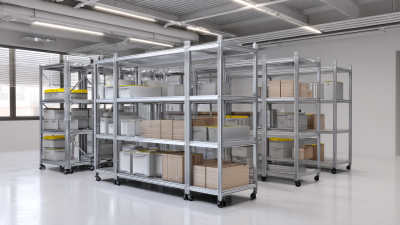
This guide examines pallet racks, boltless shelving, cantilever racks, and mobile systems. Each option solves a different storage challenge. Pallet racks suit organized warehouse pallets and forklift access. Boltless units work well for hand-loaded cartons, tools, and spare parts. Cantilever racks handle timber, pipes, and other long goods with fewer obstructions. Mobile racks can increase capacity, but they demand level floors and disciplined use. There is no universal winner. The best choice depends on load behavior, retrieval frequency, budget, and future growth. Cost can mislead. A cheaper rack may require more labor, repairs, or replacement. I have also learned that real operations rarely match the original plan perfectly. Leave room for change. Compare manufacturer specifications, inspect connections, and seek qualified advice for heavy-duty installations. The right decision should make storage safer, faster, and easier to review over time.

What Is the Best Type of Racks for Storage?

Types of Storage Racks and Their Main Functions

What Is the Best Type of Racks for Storage?

Types of Storage Racks and Their Main Functions

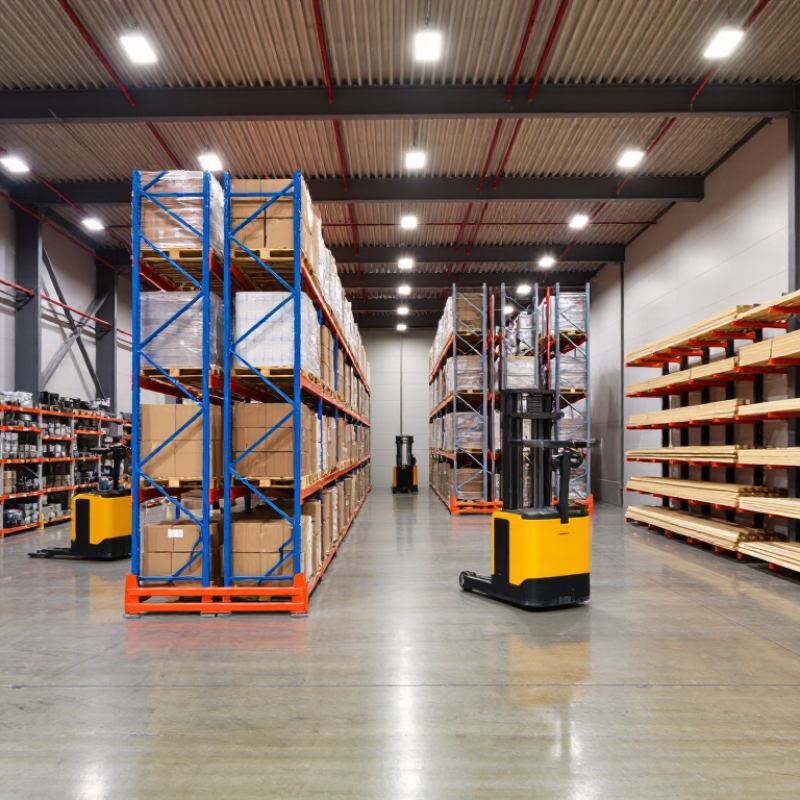
The best storage rack depends on product size, turnover, access needs, and available floor space. In warehouse planning, storage density matters, but safe handling matters more. Selective pallet racks offer direct access to every pallet. They suit mixed inventory and frequent picking. Each beam level should match the load rating, pallet condition, and forklift reach. Small errors here become expensive.

Drive-in racks increase density by reducing aisles. They work well for large quantities of similar products with limited rotation. However, deeper lanes can hide older stock and complicate inspections. Carton flow racks use inclined rollers, helping workers pick small cartons from the front. They support first-in, first-out movement when replenishment is controlled. A simple label can prevent a surprising number of picking mistakes.

Cantilever racks support long materials such as pipes, timber, and metal profiles. Their open arms allow quick loading without front columns blocking access. Mobile racks reduce wasted aisles by moving storage units when needed. They may improve capacity, but maintenance becomes more important. I have seen layouts designed for maximum density slow daily work. More storage is not always better. Regular inspections should check anchors, uprights, beams, rollers, and visible impact damage. When product dimensions change, the rack design should be reviewed rather than adjusted casually.

Key Factors for Choosing the Best Storage Rack

Choosing the best storage rack starts with the work, not appearance.

In a busy warehouse, I measure pallet sizes, aisle width, ceiling height, and average load weight before comparing designs. A rack that looks strong may still waste vertical space or block equipment.

Check the rated capacity for each beam and level. Do not rely on a broad system rating. Uneven loads can create dangerous pressure points.

The storage environment also matters.

Dry goods need different protection from chilled rooms, damp workshops, or dusty production areas. Galvanized or coated surfaces may resist moisture, but the right choice depends on exposure and cleaning routines.

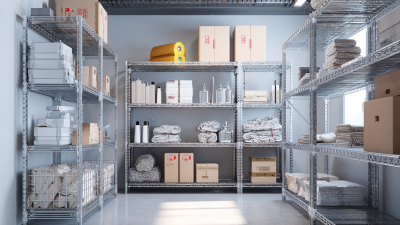
Adjustable racks suit changing inventory, while fixed shelving can provide better simplicity for stable stock.

Keep frequently picked cartons between knee and shoulder height. It reduces reaching and speeds daily work. Small detail, big effect.

Access and safety deserve equal attention.

Confirm that forklifts, carts, and people can move without tight turns. Add guards where posts face traffic, and inspect bolts, frames, and beams regularly.

I have seen teams choose maximum density, then lose time searching for items. That decision looked efficient on paper. It was not.

Leave room for labeling, repairs, and future product changes. A modest capacity buffer is often wiser than filling every level.

Check local building rules and professional installation guidance before use.

Comparing Rack Types for Different Storage Needs

What Is the Best Type of Racks for Storage?

Choosing the best storage rack depends less on appearance and more on inventory behavior. In warehouse assessments, I examine product weight, turnover, pallet size, and available aisle space. Selective pallet racks suit mixed stock because every pallet remains accessible. They support clear labeling and quick picking. However, they consume more floor area than compact systems. Drive-in racks increase density for uniform goods with few product variations. Forklift access is limited. That trade-off matters.

Cantilever racks work well for timber, pipes, carpet rolls, and other long loads. Their open arms make loading easier, but uneven weight can create stability problems. Mobile racks reduce wasted aisles and can serve temperature-controlled rooms or archives. They cost more and require disciplined operation. Light-duty shelving fits cartons, tools, and small parts. It should not carry pallet loads unless engineered for them. I once overestimated usable capacity by ignoring beam deflection. The drawing looked fine. The loaded rack did not. Capacity labels and floor checks are essential.

Tips: Map daily travel distance before selecting a rack. Leave turning clearance for forklifts and pedestrians. Confirm slab strength with a qualified engineer. Use guards at exposed corners. Inspect upright frames, beams, anchors, and labels monthly. Check them more often in busy areas. Keep fast-moving items between waist and shoulder height when possible. A small pilot bay can reveal picking delays before full installation. No rack is perfect.

What Is the Best Type of Rack for Storage?

Comparing common rack types by typical working load per storage level. Actual capacity depends on beam size, frame height, shelf span, floor conditions, and engineering specifications.

Selective pallet racks provide the best direct access and flexible SKU management. Drive-in racks improve space utilization for high volumes of similar products, while cantilever racks are designed for long or irregular loads. Longspan shelving suits lighter hand-loaded items, and mobile racks maximize floor-space efficiency where access frequency is moderate.

Safety, Capacity, and Space Efficiency Considerations

The best storage rack is not automatically the tallest or strongest option. It must match the load, room, and working routine. In a warehouse assessment, I measure clear height, aisle width, floor condition, and access points before selecting a system. Pallet racks suit heavy, frequently moved goods, while adjustable shelving works better for cartons and hand-picked items. Every beam and shelf needs a stated load rating. Never estimate it by appearance. A bent frame can turn a small mistake into a serious failure.

Safety begins with stability. Anchor racks where required, protect exposed uprights, and keep heavier items near the lower levels. Leave enough clearance for forklifts, people, lighting, and fire protection equipment. Local safety requirements still matter. Follow them carefully. Inspect connections after installation and after any impact. Labels should show maximum loads clearly. I once favored a tighter layout, but daily movement became awkward. That mistake changed my planning process.

Tips: Compare usable capacity, not just total volume. Record the height of your highest carton and the reach of your equipment. A narrow aisle may save floor space but slow picking and increase contact risk. Test one rack bay with real products before ordering many. Plan for changing inventory, too. A system that fits today may become awkward next year. Space efficiency is valuable, but safe access and stable handling matter more.

What Is the Best Type of Racks for Storage? — Safety, Capacity, and Space Efficiency Considerations
Rack Type Typical Load per Level Storage Capacity Space Efficiency Safety Characteristics Access Method Best Applications Key Limitations
Selective Pallet Racking Approximately 500–5,000 kg per beam level, depending on the design and configuration. High
Provides direct access to every pallet location.
Good
Typically uses one pallet position in depth, but requires aisle space for forklifts.
Requires anchored frames, load signs, upright protection, regular inspections, and correctly positioned beams. Direct forklift access from the aisle. Warehouses with many product types, frequent stock rotation, and high selectivity requirements. Lower storage density than drive-in or mobile systems because of wider aisles and individual access lanes.
Drive-In Racking Approximately 500–1,500 kg per pallet position, subject to tunnel length and structural design. Very High
Stores pallets several positions deep within shared storage lanes.
Excellent
Reduces aisles and makes strong use of available floor area.
Needs guide rails, entry protectors, impact protection, strict forklift procedures, and controlled loading patterns. Forklift enters the storage lane; usually follows last-in, first-out inventory flow. Large quantities of similar products with relatively low product variety. Limited selectivity, greater risk of rack impact, and less suitable for mixed-SKU storage.
Push-Back Racking Approximately 500–1,500 kg per pallet position, depending on trolley and beam capacity. High
Allows multiple pallets to be stored deep in each lane.
Very Good
Uses fewer aisles than selective racking while retaining front access.
Requires correctly rated carts, lane stops, rear guards where applicable, and controlled pallet placement. Forklift loads and retrieves from the front; normally operates on a last-in, first-out basis. High-volume products with several pallets per SKU and moderate rotation requirements. More complex than selective racking and generally less suitable for first-in, first-out inventory control.
Pallet Flow Racking Approximately 500–1,500 kg per pallet position, depending on roller design and pallet condition. Very High
Uses deep lanes while supporting organized pallet movement.
Very Good
Efficiently combines high density with dedicated loading and unloading sides.
Needs speed controllers, lane separators, pallet stops, inspection of rollers, and suitable pallets. Loading occurs from one side and retrieval from the opposite side; supports first-in, first-out flow. Perishable goods, batch-controlled inventory, and operations requiring reliable stock rotation. Higher installation and maintenance costs; damaged or inconsistent pallets can affect movement.
Cantilever Racking Approximately 250–2,500 kg per arm level, depending on arm length and column design. Good
Provides unobstructed horizontal storage for long materials.
Good
Uses vertical space effectively, although aisle width can be significant.
Requires stable bases, properly secured columns, end stops, balanced loading, and protection from vehicle impact. Front access by forklift, crane, or manual handling equipment. Lumber, pipes, metal sections, furniture, panels, and other long or irregular loads. Not designed for standard pallet storage; long loads may require wider aisles and careful load balancing.
Mobile Racking Comparable to the underlying pallet-rack design; commonly around 500–5,000 kg per beam level. Very High
Can provide direct access while opening only the aisle currently required.
Excellent
Reduces fixed aisle requirements and can significantly increase floor utilization.
Requires interlocked movement controls, safety light curtains or sensors, emergency stops, floor loading verification, and regular maintenance. Racks move along floor rails to create an access aisle. Cold stores, archives, high-value inventory, and facilities where floor space is expensive. Higher capital cost, slower access when an aisle must be opened, and dependence on power and maintenance systems.
Light-Duty Shelving Approximately 50–300 kg per shelf level, depending on shelf material and span. Moderate
Suitable for cartons, bins, documents, and small components.
Good
Works well in narrow aisles and can be installed in multi-tier layouts.
Needs level installation, anti-tip measures, evenly distributed loads, and clear maximum-load labels. Manual access. Small parts, tools, documents, maintenance supplies, and order-picking areas. Not suitable for heavy pallets or frequent forklift handling; shelf deflection can occur when overloaded.
Multi-Tier or Mezzanine Racking Commonly designed for approximately 250–1,000 kg per square metre on walkable levels, subject to engineering approval. Very High
Creates additional vertical storage or working levels without expanding the building footprint.
Excellent
Maximizes usable building height and floor area.
Requires structural calculations, guardrails, gates, stairs, load signage, fire-safety review, and building-code compliance. Manual handling, lifts, conveyors, or approved pallet access equipment. Order picking, archives, e-commerce inventory, and facilities with high ceilings. Higher design complexity; may require permits, sprinkler modifications, and restricted heavy-load access.
Selection guidance: Choose selective pallet racking when direct access and product variety are priorities; drive-in or push-back systems when storage density is most important; pallet flow when first-in, first-out rotation is required; cantilever racking for long loads; mobile or multi-tier systems when vertical and floor-space utilization are critical. Actual capacity must always be confirmed by a qualified rack designer using the building floor capacity, pallet dimensions, load characteristics, seismic conditions, equipment loads, and applicable safety regulations.

How to Select the Right Rack for Your Facility

Choosing the best storage rack starts with the facility, not the rack catalogue. Measure ceiling height, aisle width, floor capacity, fire protection, and forklift turning space. Record pallet dimensions and actual load weights. MHI’s 2024 Annual Industry Report found that 55% of supply chain professionals planned to increase technology investment. That investment is wasted if racks block safe movement.

Selective pallet racks suit facilities needing direct access to many stock-keeping units. They are flexible, but consume more floor space because aisles remain wide. Drive-in systems improve density for uniform products with low rotation. Push-back racks support several pallets per lane and reduce travel time. For cartons, long-span shelving may work better than pallet beams. Choose based on product velocity, not appearance.

A cold warehouse needs corrosion-resistant components and careful clearance around evaporators. A busy distribution floor needs impact protection, visible load plaques, and inspection routines. The Rack Manufacturers Institute recommends designing systems around rated capacities and verified installation conditions. Do not estimate beam loads from memory. The first layout is rarely the right one. Test a full pallet, an empty slot, and the forklift’s tightest turn before approval. OSHA also emphasizes maintaining stable storage and protecting employees from struck-by hazards. MHI’s report supports automation growth, yet automation cannot repair poor measurements. That part is easy to overlook. Recheck the design after seasonal inventory changes, because yesterday’s safe aisle may become tomorrow’s obstruction.