What Is Battery Powered Equipment?
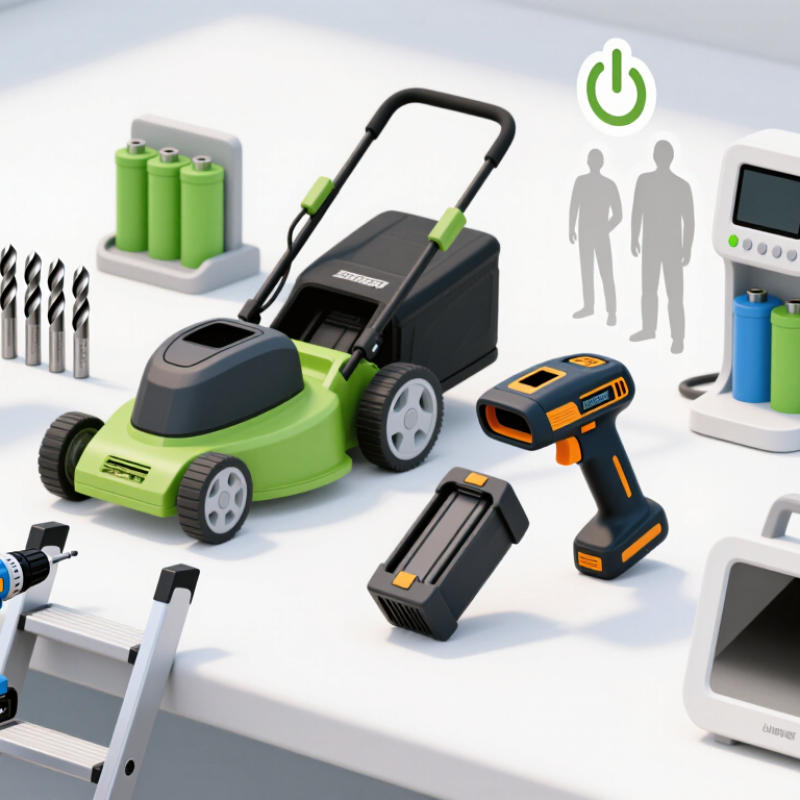
Battery Powered equipment uses rechargeable or replaceable batteries to run tools, machines, and devices without a direct electrical connection. The category includes cordless drills, lawn mowers, warehouse scanners, and portable medical equipment. Their common feature is simple: stored electrical energy moves the work away from the outlet.
Battery scientist Dr. Martin Winter is a recognized expert in electrochemical energy storage. The sentence below is an editorial summary, not a verified direct quotation: “A battery-powered tool is only as useful as the match between its energy supply and its task.” That distinction matters. A compact drill may handle quick repairs, while a mower needs more capacity for sustained work. A larger battery is not automatically better; weight, charging time, runtime, and replacement cost all shape the choice.
Picture a worker carrying a cordless tool up a ladder, with no cable dragging across the floor. Convenient. But the battery still needs charging, and cold conditions or heavy workloads can reduce runtime. Buyers should compare the equipment’s intended use, battery voltage and capacity, charger compatibility, and manufacturer specifications. These details are easy to overlook.
Battery Powered equipment can improve mobility and simplify setup, but it is not a perfect fit for every job. Runtime claims may also differ from everyday results. Check the details before choosing.
Definition and Core Components of Battery-Powered Equipment
What Is Battery Powered Equipment?
Definition and Core Components of Battery-Powered Equipment
Battery-powered equipment uses stored electrical energy to operate without a cord during use. Its core system typically includes battery cells, a pack, a battery management system, power electronics, a motor, and a charger. Cells store energy; the pack groups them into a usable unit. The management system monitors voltage, current, and temperature, and may balance cells or limit output to protect them.
The International Energy Agency’s Global EV Outlook 2024 reports that battery demand in the energy sector exceeded 750 GWh in 2023, roughly 40% above 2022. Most of that demand came from electric vehicles, not work equipment, so it is not a direct measure of tool battery use. It does show the scale of the wider battery supply chain. BloombergNEF’s 2023 Battery Price Survey put the average lithium-ion pack price at $139 per kWh, 14% below 2022. Actual costs vary with chemistry, capacity, casing, and safety features.
A capacity label alone cannot predict runtime. A mower cutting wet grass draws more power than one trimming dry, short growth. Heat changes everything. Cell temperature, age, and workload affect usable energy, while the management system may reduce output if limits are reached. A tidy component diagram can still leave out real-world wear; that gap deserves attention when comparing equipment.
Battery Types and Power Systems
Battery-powered equipment stores energy in a rechargeable cell pack, but battery chemistry shapes how that power behaves. Lithium-ion cells are common because they offer strong energy capacity for their weight. Nickel-metal hydride cells remain useful in some applications, while lead-acid batteries suit heavier equipment where weight matters less. Each type has different charging needs, service life, and performance in cold conditions.
The numbers on a battery label help explain its power system. Voltage describes electrical potential; amp-hours estimate how much charge the pack can deliver over time. Watt-hours combine voltage and amp-hours, making them more useful for comparing energy capacity across different voltages. A tool requiring a specific voltage may not run properly with a mismatched pack. The label is not the whole story.
Inside many packs, cells connect in series to raise voltage or in parallel to increase capacity. A battery management system can monitor temperature, voltage, and charging, then limit operation when conditions become unsafe. Still, protection features cannot correct every mismatch. Check the equipment’s specified voltage and charger compatibility, especially when replacing an older pack. A small connector difference can matter. Cold mornings can also reduce available output, even when a battery appears fully charged. That detail is easy to overlook.
Main Categories and Common Applications
What Is Battery Powered Equipment? Main Categories and Common Applications
Battery powered equipment uses stored electrical energy to run a motor or electronic system without a continuous mains connection. Major categories include handheld tools, such as drills and trimmers; mobile machines, such as warehouse carts and floor scrubbers; outdoor equipment; and backup or stationary storage systems. Common applications range from construction and grounds care to hospitals, warehouses, and home maintenance. Battery chemistry and capacity vary, so equipment designed for short bursts may not suit a full shift.
Industry data shows how quickly some applications are expanding. The International Energy Agency’s Global EV Outlook 2024 reports that electric-car battery demand grew by about 40% in 2023, reaching roughly 750 GWh. Its Batteries and Secure Energy Transitions report says battery storage additions reached about 42 GW that year. These figures describe vehicle and grid markets, not every tool category, but they show batteries serving both mobile work and fixed sites. The categories overlap. That can make comparisons less tidy than product labels suggest.
Tips: Match battery capacity to the actual duty cycle, not just the tool’s advertised runtime. Cold conditions, heavy loads, and aging cells can shorten operation. One assumption worth questioning: a larger battery is not always the practical choice if it adds weight or charging downtime.
What Is Battery-Powered Equipment? — Main Categories and Common Applications
Battery-powered equipment uses rechargeable batteries instead of a direct mains connection or, in some cases, an internal combustion engine. The chart compares representative nominal battery-system voltages across common categories.
Examples include phones and laptops, cordless tools, lawn equipment, e-bikes, and electric cars. Values are representative examples, not fixed specifications: voltage varies by battery design and model. A lithium-ion cell is typically rated at about 3.6–3.7 V nominal; EV systems commonly use roughly 400 V or 800 V architectures.
Advantages, Limitations, and Safety Considerations
Battery-powered equipment is useful when a job moves between rooms, rooftops, or distant work areas. Without a trailing cord, operators can reposition more easily and avoid some trip hazards. It also produces no exhaust at the point of use, which can matter indoors. Many models run more quietly than fuel-powered alternatives. That matters.
The limits become clear during long or demanding tasks. A high-load tool may drain its battery quickly, while cold conditions can shorten usable runtime. Spare batteries and charging time help, but they add cost and planning. Battery capacity also declines with age. A practical check is to match the tool’s workload with its expected runtime, rather than relying only on a capacity label. I might be tempted to call battery power maintenance-free, but that is not quite right: packs need careful storage and inspection.
Safety still requires attention. Use the charger specified for the equipment, and keep charging batteries away from moisture and excessive heat. Stop using a pack that is cracked, swollen, unusually hot, or leaking; follow its manufacturer’s instructions for handling it. Before changing blades or clearing a jam, switch off the equipment and remove the battery. Secure the workpiece, wear suitable protective equipment, and keep hands clear of moving parts. Heat is a warning. Even a familiar tool can surprise you when a battery is damaged or poorly fitted.