What Is Chops Spice Used For?
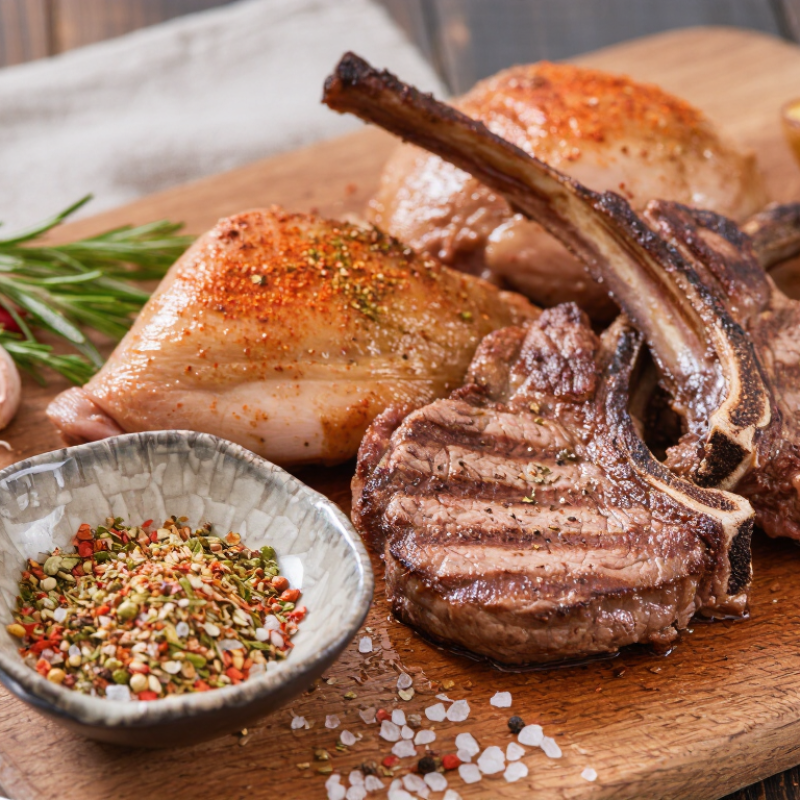
Chops Spice is a seasoning blend used to add savory, aromatic flavor to chops and other everyday foods. The name does not guarantee one fixed recipe. A blend may pair black pepper, garlic, paprika, herbs, and salt; another may lean on chili or warming spices. Check the label. A bright red coating can look fiery without tasting especially hot, while a salt-heavy blend can overwhelm a thin cut. Used with pork, lamb, or chicken, Chops Spice can season a quick skillet dinner, a grill-ready marinade, or vegetables roasted beside the meat. It can also bring depth to beans, potatoes, and soups. Small amounts matter.
Flavor choices are personal, but reliable cooking still needs evidence. The International Food Information Council’s 2024 Food & Health Survey examines how taste, price, and health influence food decisions. Meanwhile, the USDA Foreign Agricultural Service’s Production, Supply and Distribution database tracks spice supply and trade, not the exact amount a cook should use. That distinction matters: no report can replace checking a blend’s ingredients or tasting food as it cooks. One weakness in many seasoning guides is treating every “chops” mix as interchangeable. It isn’t. This guide explains what Chops Spice is commonly used for, how to apply it without masking the food, and what to check before seasoning. For whole cuts of pork, the USDA recommends cooking to 145°F and resting for three minutes; seasoning adds flavor, not food-safety assurance. A pinch can be enough. Sometimes, less tastes better.
What Chops Spice Is and How It Is Made
Chops spice is a savory dry blend used to season small cuts of meat, grilled skewers, and other party-style bites. Recipes vary by region and cook. Common ingredients include dried chili, black pepper, garlic, ginger, salt, and sometimes herbs. The name is not perfectly standardized, so two blends may taste quite different. One may be smoky and warm; another may be sharply peppery.
To make it, producers clean and dry the ingredients, remove foreign matter, then grind and blend them evenly. The Codex Alimentarius standard CXS 326-2017 describes quality requirements for dried chili peppers, one possible component. That matters. Moisture control and clean handling help preserve flavor and limit spoilage. Still, home blends can clump if stored near steam or sunlight. A tight-lidded jar in a cool, dry cupboard works better.
Tips: Add the blend gradually, then taste before adding extra salt. WHO recommends adults consume less than 2,000 mg of sodium daily, equivalent to less than 5 g of salt (WHO, 2012). This is easy to overlook when seasoning meat. For a fresher aroma, grind small batches and note the proportions; the first attempt may need adjusting.
What Is Chops Spice Used For? — What It Is and How It Is Made
Chops spice is a savory seasoning blend used to flavor pork chops and other meats before cooking. This example recipe shows a simple homemade blend; ingredients and proportions vary.
Mix the spices together and rub the blend over the meat before grilling, pan-searing, or roasting. The chart shows one batch measured by volume, converted to teaspoons.
Common Ingredients and Flavor Profile
Chops spice is not one fixed recipe; its ingredients vary between kitchens and regions. Many blends combine salt, black pepper, garlic powder, onion powder, and paprika. Dried thyme or oregano may add an herbal note, while cayenne brings heat. Some versions include mustard powder or a little brown sugar. Small amounts matter.
The flavor is usually savory, peppery, and gently smoky from paprika. Garlic and onion give meat a rounded, familiar taste, while herbs add a faint green aroma. A pinch of cayenne can warm the finish without making every bite fiery. Salt often stands out most, especially in packaged blends, so check the ingredient list before adding more to a dish.
On pork chops, the seasoning forms a fragrant crust as the surface browns in a hot pan or oven. It also suits chicken, roasted potatoes, and vegetables when used lightly. Rub a little between your fingers: a blend with visible herbs may smell earthier, while one heavy on paprika can taste sweeter and fuller. I find that blends can be uneven; one spoonful may be saltier than expected. Taste as you cook.
Dishes and Foods Seasoned with Chops Spice
Chops spice is often used to season small bites, fried snacks, and party foods. Its exact blend varies, but it may include pepper, garlic, ginger, onion, and dried herbs. A light sprinkle can add warmth to spring rolls, samosas, puff-puff, or fried plantain. For crisp snacks, season them while they are still warm so the spice clings to the surface. Use a little at first. Some blends are saltier or hotter than expected.
The seasoning also works well on chicken, fish, and grilled kebabs. Rub it over the food with a small amount of oil before cooking, or dust it onto cooked fries and roasted potatoes. For chicken wings, I prefer adding the spice before baking, then tasting one piece before seasoning the rest. That small check matters. The flavor can turn harsh if too much pepper meets a delicate filling, such as minced vegetables or mild fish. Chops spice can even lift a simple bowl of popcorn, though that pairing may not suit everyone. I still find it easy to overestimate how much a snack needs.
How to Use Chops Spice in Cooking
Chops spice is most useful when it seasons the meat before cooking, giving each chop a savory crust. Check the ingredient list first: blends may contain salt, sugar, garlic, paprika, or dried herbs, and their flavors vary. Pat pork or lamb chops dry, then coat both sides lightly with oil. Sprinkle on the spice and press it gently into the surface. Let the meat rest for 15 to 30 minutes in the refrigerator so the seasoning clings. Short on time? Season just before cooking; the flavor will still be good, though less settled.
Cook the chops by grilling, pan-searing, or roasting, and use a thermometer rather than color alone to check doneness. Add a small pinch of spice to vegetables or pan juices, too, but taste before adding extra salt. Not every blend behaves alike. Some scorch quickly, especially those containing sugar, so lower the heat if the surface darkens before the center cooks. The Dietary Guidelines for Americans, 2020–2025, recommend limiting sodium to less than 2,300 milligrams daily for adults; a salty blend can use up part of that allowance. Read the label and adjust the amount accordingly. I’d be cautious with a heavy hand: more seasoning does not always mean better flavor.
Storage Tips and Possible Substitutes
Chops spice is usually a savory blend for pork or lamb, but its ingredients and salt level vary. Keep the jar tightly sealed in a cool, dark cupboard, away from the stove, sink, and direct sunlight. Steam from a boiling pot can introduce moisture and encourage clumping. Keep it dry. Use a clean, dry spoon rather than shaking the jar over a hot pan. USDA’s FoodKeeper guidance gives ground spices roughly two to three years for best quality; whole spices may retain quality for three to four years. These are quality estimates, not safety deadlines. If the blend smells faint or tastes flat, it may season less effectively, even if it looks fine.
For a substitute, combine black pepper, garlic powder, paprika, and dried thyme or rosemary. Add onion powder if the original blend tastes sweet and savory. A little salt may help, but check the recipe first; some chops blends are already salty. Start with less seasoning than the recipe calls for, cook a small test piece, then adjust. That is practical. I would not assume a homemade mix matches the original exactly: paprika can dominate, and dried herbs vary in strength. Store any extra blend airtight, label it with the date, and make a small batch so the aromatics stay noticeable.
What Is Chops Spice Used For? - Storage Tips and Possible Substitutes
| Topic | Practical Details | Helpful Tip |
| What it is | “Chops spice” is a general term for a savory seasoning blend used on meat chops. Recipes vary, but blends often include paprika, garlic, onion, black pepper, and dried herbs. | Check the ingredient list: some blends contain salt, sugar, or heat from chili. |
| Common uses | Seasoning pork, lamb, or veal chops before grilling, pan-searing, roasting, or broiling. It can also add flavor to roasted potatoes and other vegetables. | Apply an even coating and adjust the amount to suit the salt level of the blend. |
| How to use | Pat the chops dry, lightly coat them with oil if desired, then season before cooking. For more even flavor, let the seasoning sit on the meat briefly in the refrigerator. | Keep raw meat refrigerated while it rests; do not leave it at room temperature for extended periods. |
| Storage | Store the dry seasoning in a tightly sealed container in a cool, dry, dark cupboard, away from heat, steam, and direct sunlight. | Use a dry spoon and close the container promptly to limit moisture and preserve aroma. |
| Freshness | Dried spices generally lose flavor gradually rather than becoming unsafe on a specific date when kept dry and uncontaminated. Ground spices are often at their best for about 1–2 years; dried leafy herbs commonly retain good flavor for about 1–3 years. | Replace the blend if its aroma is weak, or discard it if it shows moisture, mold, or an unusual smell. |
| Simple substitute | For a basic homemade blend, combine 1 teaspoon paprika, ½ teaspoon garlic powder, ½ teaspoon onion powder, ¼ teaspoon black pepper, and ¼ teaspoon dried thyme or rosemary. | Add salt separately to taste, especially if the original blend’s salt content is unknown. |
| Other substitutes | A mild barbecue dry rub, seasoned salt, or a mix of garlic, pepper, paprika, and dried herbs can work, though each will change the flavor. A simple herb-and-pepper blend is a good option when avoiding sweetness or chili heat. | Start with a smaller amount, taste the seasoning mix if appropriate, and adjust before cooking. |