







Global buyers entering the backpack market face a sourcing decision, not just a price comparison. A reliable wholesale backpack supplier must balance capacity, materials, quality control, and delivery performance. Trade conditions make that balance more important. The WTO’s Global Trade Outlook and Statistics (2024) reported that merchandise trade volume fell 1.2% in 2023, while forecasting 2.6% growth for 2024. Forecasts are not guarantees. Buyers still need to check lead times, order minimums, and production schedules directly.
Materials deserve equal attention. Textile Exchange’s Materials Market Report 2024 estimated global fiber production at 124 million tonnes in 2023, with further growth projected. That figure covers many industries, not backpacks alone. Still, it highlights the scale of material sourcing and the value of asking suppliers for clear fiber specifications and traceable documentation. A fabric swatch can look convincing under showroom lights. It may behave differently after repeated use, so sample testing matters.
This guide compares wholesale backpack suppliers through practical criteria: product range, customization, communication, quality assurance, and shipping support. Buyers should request recent product samples, confirm inspection procedures, and clarify how defects are handled before placing large orders. Details matter. A zipper that catches, a weak seam, or a delayed carton can affect customer trust. No supplier is perfect, and published claims may not reveal every production constraint. Careful verification helps global buyers make better-informed choices.
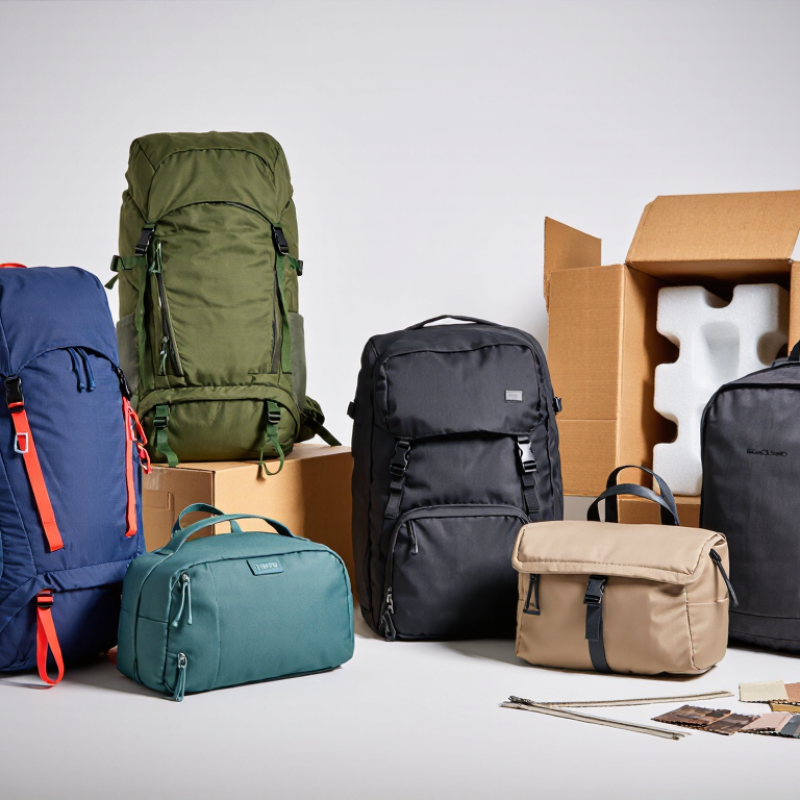
The global wholesale backpack market is shaped by more than factory price. Buyers compare material access, production capacity, minimum order quantities, and shipping routes. A sample may look sturdy under showroom lights, yet a loaded field test can reveal weak stitching or uncomfortable straps. Small details matter. Ask suppliers for material specifications, seam reinforcement details, and inspection photos from recent production, not only polished catalog images.
Supply conditions vary by region and season. A factory near a port may reduce inland transport, while peak-season congestion can still delay containers. Confirm production timelines in writing and leave room for sample approval, packaging changes, and customs processing. Freight estimates also shift with fuel costs and route disruptions. Prices can be misleading. Compare the full landed cost, including packaging, inspection, freight, duties, and likely defect allowances.
Responsible sourcing requires evidence, not broad promises. Request clear information about fabric composition, colorfastness testing, and workplace oversight, then check whether documents match the actual order. For a first purchase, a modest test batch can expose sizing, zipper, and carton issues before larger commitments. It is not foolproof. Buyers should also plan how they will handle slow-moving colors or changing demand; forecasts are often less precise than spreadsheets suggest.
Typical backpack capacity examples for planning a wholesale product assortment. Capacities vary by design and manufacturer; these figures are examples, not market-share or sales data.
Use these capacity bands as a starting point when discussing product ranges, intended use, and specifications with suppliers.
Wholesale backpack suppliers differ in design control, production scale, and material expertise. OEM factories build to a buyer’s specification; ODM suppliers adapt existing patterns, which can shorten development time. The distinction matters. A sample may look ready, yet stitching, zipper performance, or load comfort can change in bulk production.
Technical suppliers focus on hiking and commuter packs, often adding padded laptop sleeves, reinforced base panels, or water-resistant fabrics. School and travel specialists usually prioritize compartment layouts, clear labeling, and repeatable colors across large orders. Some factories work mainly with recycled textiles. Ask for material traceability and test documentation, not just a sustainability claim.
Demand is broad, but one market figure cannot explain every supplier niche. Grand View Research valued the global backpack market at USD 19.6 billion in 2023 and projected a 6.3% compound annual growth rate from 2024 to 2030. Buyers can use this context when comparing capacity, but should still inspect samples and production controls. Small details matter. Check strap attachment points, seam consistency, and whether the supplier can reproduce the approved sample. Even experienced teams sometimes overlook fit until the pack is worn with weight.
A backpack can look sturdy on a product page and still fail at the seams. Evaluate samples under practical conditions: load them with books, check zipper movement, and inspect stitching around straps. Ask for material specifications, inspection records, and test reports relevant to your destination markets. Verify that documents match the exact fabric, coating, and construction being offered. A neat report is useful, but it does not replace a physical sample.
Capacity needs evidence, too. Request the supplier’s normal monthly output, current production schedule, and realistic lead time for your order size. Compare those figures with a factory visit or a recent third-party inspection when possible. Ask how they handle material shortages and production defects. A polished sample may flatter a factory; bulk goods can vary. That gap deserves attention.
Agree on measurable acceptance criteria before production, such as seam strength, color tolerance, and packaging details. Arrange an inspection before shipment, and keep written records of approved samples and changes. Small steps matter. Communication is also part of reliability: note how quickly questions receive clear, specific answers. One weakness in supplier evaluation is relying too heavily on a single audit or sample. Conditions can change, so periodic checks are sensible, even when earlier orders arrived on time.
Top Wholesale Backpack Suppliers for Global Buyers
Steps for Sourcing Backpacks Across International Markets
Start with the intended market and the backpack’s daily use. A school bag needs different compartments and fabric strength than a lightweight travel pack. Write down target dimensions, materials, color options, order quantity, and budget before contacting suppliers. Clear specifications make quotations easier to compare.
Check potential suppliers’ business details, production capacity, and experience with similar orders. Ask for recent product photos, material descriptions, and a sample with the actual zipper, lining, and stitching. Test it with books or other realistic weight. Look closely at strap seams and zipper movement. Small flaws matter. A polished sample does not always reflect every unit in a large shipment, so agree on inspection criteria before production begins.
Request a written quotation that separates product cost, packaging, sampling, and freight. Confirm lead times, payment milestones, carton dimensions, and delivery terms. Compare the full landed cost, not only the unit price. Check import requirements in the destination market, including labeling and material documentation, with a qualified local adviser. Keep key decisions in writing. One common mistake is rushing toward the lowest quote; unclear specifications can create expensive delays. Build in time for revisions, because samples rarely get everything right on the first try.
Top Wholesale Backpack Suppliers for Global Buyers
A quoted unit price rarely shows the full cost of a backpack order. Ask suppliers to separate material, labor, packaging, and shipping charges. Then compare the landed cost, including freight, insurance, duties, and destination handling. A low price can look attractive until cartons arrive with unexpected fees. Request a written quotation with the currency, validity period, and order quantity clearly stated.
Shipping plans affect both cost and product quality. Sea freight may suit large orders, but transit times can shift with port congestion or seasonal demand. Air freight is faster, yet may erase the savings on lightweight products. Confirm carton dimensions and gross weight before booking; small measurement errors can change freight charges. Leave extra time for a pre-shipment inspection. It helps, though it cannot catch every defect.
Risk is not limited to late delivery. Ask for production samples, material specifications, and clear tolerances for stitching, zippers, and color variation. Verify the supplier’s business details and production capacity through consistent records and direct communication. Use staged payments tied to documented milestones, rather than paying the full amount upfront. Keep written approval for any changes. Even careful buyers sometimes miss a detail, so review the final packing list against the purchase order before dispatch.
| Supplier Category | Typical Product Focus | Indicative Unit Price (USD) | MOQ and Customization | Production Planning | Shipping Considerations | Key Risks and Buyer Checks |
|---|---|---|---|---|---|---|
| Basic daypack manufacturers | Simple school, promotional, or everyday backpacks with standard fabric and hardware. | $4–$12 per unit, typically quoted before freight, duties, and taxes. | MOQ varies by factory and style; custom colors or logos may require a higher order quantity. | Allow roughly 30–60 days for production after sample approval; confirm the schedule in writing. | Ocean freight is generally more economical for larger orders but slower; air freight is faster and usually costs more per unit. | Check fabric weight, seam strength, zipper operation, color consistency, and the approved pre-production sample. |
| Mid-range commuter and school-bag manufacturers | Multi-compartment backpacks with padded laptop sleeves, stronger fabrics, and upgraded trims. | $10–$30 per unit, depending on materials, construction, order size, and specification. | Ask for separate MOQs for stock designs, custom materials, and private-label details. | Allow roughly 40–75 days for production; new patterns and material sourcing can extend the schedule. | Compare door-to-door and port-to-port quotations, and confirm who handles export clearance and destination charges. | Verify laptop-sleeve dimensions, padding, load-bearing seams, test results, and whether quoted materials match the sample. |
| Technical and outdoor-pack manufacturers | Hiking, travel, or specialized packs with more complex patterning, reinforced construction, and additional components. | $25–$70+ per unit; technical fabrics and complex features can raise the price substantially. | Custom development may require tooling, sample fees, or higher minimums; request these costs separately. | Allow roughly 60–100 days for development and production, subject to design complexity and component availability. | Freight cost depends on carton dimensions as well as weight; obtain packed-carton measurements before booking. | Check capacity claims, stitching and reinforcement, buckle and frame specifications, and any performance claims against test documentation. |
| Private-label and custom-design suppliers | Backpacks produced to a buyer’s design, color palette, packaging, or labeling requirements. | Highly variable; compare the same written specification and order quantity rather than headline prices. | Confirm minimums for each color and style, artwork requirements, sample charges, and ownership of custom tooling. | Build in time for design approval, sample revisions, material procurement, and final production. | Confirm packaging dimensions, shipping marks, carton count, and the agreed Incoterms rule before comparing freight offers. | Document specifications and tolerances; approve a reference sample and agree how defects, rework, and late delivery will be handled. |
| Shipping mode reference | Suitable mode depends on order size, delivery deadline, destination, and product dimensions. | Freight is separate from the product price and varies by route, season, fuel costs, and service level. | Not applicable; request a shipment-specific quotation. | Transit estimates are route-dependent: ocean freight often takes several weeks; air freight usually takes days to a few weeks, including handling. | Ask for the estimated transit time, routing, insurance terms, customs responsibilities, and all destination charges. | Do not treat a carrier estimate as a guaranteed delivery date; allow for customs clearance, port congestion, and peak-season delays. |
| Order verification and payment controls | Applies to every supplier category and order size. | Compare itemized quotations that specify currency, quantity, materials, packaging, and included services. | Verify the supplier’s legal details and production capability before paying a deposit. | Use dated milestones for sample approval, production start, inspection, and shipment release. | Clarify the named place and responsibilities under the selected Incoterms rule; arrange cargo insurance where appropriate. | Use written purchase specifications, independent pre-shipment inspection when warranted, secure payment procedures, and a documented defect-resolution process. |
| Planning note: Unit prices and production times above are broad illustrative planning ranges, not verified quotations or guarantees. Actual terms depend on origin, destination, order quantity, specifications, season, and supplier. Confirm current pricing, compliance requirements, shipping costs, and delivery schedules directly before placing an order. | ||||||