

A swimming pool can look calm while leaves, pine needles, and small insects settle beneath the surface. After a windy afternoon, the skimmer basket may fill quickly, while heavier debris sinks near the steps. Removing this material by hand takes time and often stirs dirt into the water. That is where a Pool Leaf Vacuum becomes a practical maintenance tool.
Rudy Stankowitz, a certified pool operator instructor and aquatic maintenance consultant, often stresses the value of consistent care. His guidance can be summarized in this statement: “Consistency is the key to successful pool maintenance.” A Pool Leaf Vacuum supports that habit by collecting debris before it clogs filters or decomposes. It can also reduce brushing, scooping, and repeated trips around the pool. The right model may handle leaves, acorns, and wet debris more efficiently than a standard skimmer.
Still, buying one does not solve every cleaning problem. It will not replace water testing, filter maintenance, or regular brushing. Some models feel awkward in deep water. Others lose suction when the collection bag becomes crowded. That matters.
The real value depends on your pool’s surroundings, surface type, and cleaning routine. A shaded pool beneath mature trees may justify the cost quickly. A screened pool with little debris might not. Before choosing, examine hose length, debris capacity, maneuverability, and replacement-part availability. The best purchase is not always the strongest machine. It is the one you will actually use after a storm, before the leaves begin to decay.
Why Is a Pool Leaf Vacuum Worth Buying?
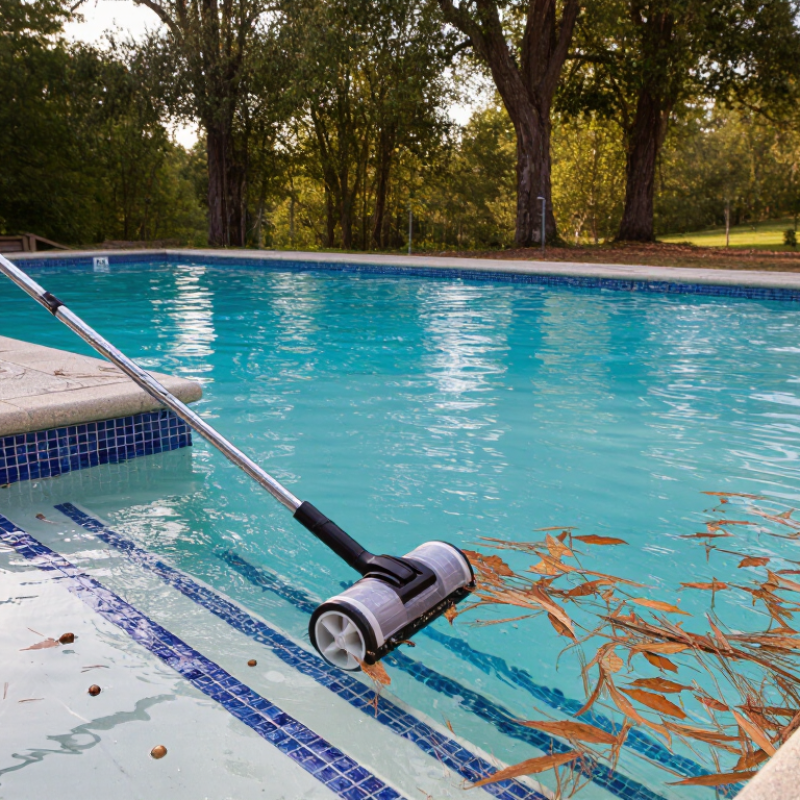
A pool leaf vacuum removes debris before it reaches the filter. That simple timing matters. Leaves, pine needles, insects, and small twigs can quickly fill a skimmer basket. Heavier debris may settle across the pool floor. A vacuum collects these materials into a separate bag or chamber, reducing the work demanded from the filtration system.
I noticed this after several windy afternoons near a mature oak tree. The water looked clear, but the bottom was covered with wet leaves. Using a leaf vacuum lifted the debris without immediately sending it through the filter. The filter pressure stayed more stable, and cleaning took less time afterward. It also helped prevent decomposing leaves from releasing stains and organic waste into the water.
The tool is not magic. It still needs steady movement and regular emptying. I once moved too quickly and stirred the leaves into cloudy water. That mistake taught me to work slowly, especially around steps and corners. Pool professionals commonly recommend removing large debris before routine filtration because filters work better with a lighter load. A leaf vacuum can also reduce repeated backwashing or cartridge cleaning, depending on the system. However, it does not replace balanced water chemistry or routine inspection. Fine dust may still pass through the collection bag. Wet leaves can be surprisingly heavy.
| Debris Type | Typical Size Range | Common Pool Location | What Happens Without Early Removal | Most Suitable Removal Stage | Filter-Relevant Benefit |
|---|---|---|---|---|---|
| Leaves | Approximately 50–300 mm long | Surface, steps, corners, and floor | Can break apart, release organic material, and obstruct baskets or suction lines | Leaf net or pool leaf vacuum before circulation | Reduces bulky debris entering the skimmer basket and filter |
| Small twigs | Approximately 20–100 mm long | Floor, steps, and near return inlets | May become lodged in baskets, valves, or vacuum heads | Manual removal or pool leaf vacuum | Protects flow paths from large solid obstructions |
| Pine needles | Approximately 30–200 mm long and 1–3 mm wide | Surface, skimmer area, and floor | Can accumulate in corners and pass through coarse debris baskets when fragmented | Leaf vacuum or skimmer basket | Limits organic debris load reaching the main filter |
| Insects | Approximately 5–30 mm | Surface and shallow ledges | Adds organic contamination and may increase cleaning frequency | Surface skimmer or leaf net | Removes visible solids before they are drawn into circulation |
| Grass clippings | Approximately 1–50 mm | Surface, steps, and pool floor | Can decompose and contribute to cloudy water or increased filter loading | Leaf vacuum or fine-mesh net | Captures solids before they are dispersed through the water |
| Sand and grit | Approximately 0.063–2 mm | Pool floor, steps, and low-flow areas | Settles on surfaces and can increase filter pressure when circulated | Vacuum head with suitable debris collection | Reduces abrasive mineral material entering the filter |
| Pollen and fine dust | Often below 100 micrometres | Surface film and suspended water | Usually passes through a coarse leaf-collection bag and remains a filtration task | Circulation system and pool filter | A leaf vacuum is not a substitute for fine-particle filtration |
Fast debris removal supports steadier water chemistry. Leaves, pollen, and insects add organic material that consumes free chlorine. This can pull levels below the practical 1–3 ppm maintenance range. The CDC’s Healthy Swimming guidance recommends at least 1 ppm free chlorine for pools. However, the 1–3 ppm range is not one universal CDC rule. Local codes, pool use, temperature, and testing frequency still matter. That distinction deserves attention.
The CDC’s Model Aquatic Health Code identifies filtration and disinfection as essential control barriers. Its guidance also stresses regular testing, because chlorine demand can change quickly.
A 2016 CDC inspection report reviewed 48,632 public aquatic venues. About 80% had at least one health or safety violation. Debris alone did not cause every issue, but poor routine maintenance clearly creates risk. Removing a wet leaf before it sinks can reduce skimmer loading and shorten cleaning time. In my experience, a vacuum is most useful after windy weather. It is not magic. It cannot replace testing, circulation, or balanced pH.
Tips:
Brush corners before vacuuming. Empty the basket frequently. Test free chlorine after heavy debris or swimmer loads. Keep a simple log. Small misses can become expensive corrections. WHO guidance also supports layered protection through filtration, disinfection, and monitoring.
A pool leaf vacuum earns its place when skimming no longer keeps up with fallen leaves, sand, and insects. In my pool maintenance work, I match the cleaner to surface area and debris load, not appearance alone. A small above-ground pool with light leaves often needs a manual vacuum. Its transparent head reveals dirt, while the hose gives steady control around steps. It costs little to operate, but cleaning can take twenty minutes or more. Small pools differ. Tight corners still demand patience.
Battery vacuums suit medium pools and irregular cleaning schedules. They collect debris in an onboard basket, so no filter backwashing is needed after every session. A charged unit can remove wet leaves, acorns, and grit from shallow areas quickly. Runtime matters more than advertised power. Heavy debris may fill the basket halfway through the job. I once underestimated this and had to stop twice. Battery storage also needs a dry, cool place.
Automatic vacuums make more sense for large pools, frequent debris, or owners who cannot clean daily. Pressure or suction models can cover broad floors, but walls, steps, and fine silt remain variable. Large leaf loads may clog the throat or reduce movement. Check the pump’s flow requirements before buying. A smaller pool can use an automatic cleaner, yet the added setup may feel wasteful. Local wind, trees, and storm frequency should influence the choice more than pool size alone.
Why Is a Pool Leaf Vacuum Worth Buying?
Leaves do more than make a pool look untidy. They can fill the skimmer basket, clog plumbing, and force the pump to work harder. A pool leaf vacuum removes heavy debris before it reaches the circulation system. In regular use, this can reduce filter cleaning and keep water moving more consistently. That matters most during windy weeks or autumn leaf fall.
I have found that vacuuming slowly works better than rushing across the surface. The collection bag should be emptied before it becomes heavy and difficult to lift. A packed bag can reduce suction and scatter debris back into the water. Small details matter. Keeping the intake clear also helps protect the pump basket and impeller from unnecessary strain. It does not replace routine filter maintenance.
The pressure gauge still deserves attention after cleaning. If pressure remains unusually high, the filter may need deeper inspection rather than another quick vacuuming. Water level matters too; low water can introduce air and affect pump performance. I once underestimated how quickly fine leaves could accumulate after a storm. That was a useful reminder, though leaf vacuums are not a complete maintenance solution. They reduce the workload, but they cannot correct damaged seals, blocked lines, or neglected water chemistry.
How leaf vacuums reduce filter cleaning and help protect pump performance
This representative 30-day pool-maintenance scenario compares routine debris removal with and without a pool leaf vacuum under the same leaf load. Removing larger debris before it reaches the skimmer and filter can reduce cleaning tasks and help maintain more consistent water flow to the pump.
A pool leaf vacuum earns its place when debris collects faster than a skimmer can handle. In practice, capacity matters first. A small bag fills quickly under heavy leaf fall. A larger container reduces interruptions, but it may feel awkward when lifted from the water. Check the emptying method before buying. Wet leaves become surprisingly heavy.
Suction strength should remove leaves, insects, and fine grit without damaging the pool surface. Excessive suction can make the head difficult to guide. A useful test is steady movement across shallow and deep areas. Runtime also deserves attention. Battery models should cover your pool in one session, with power left for stubborn debris. Short runtime means repeated charging. That gets irritating.
Wheels can improve movement on broad, flat surfaces, especially for heavier vacuum heads. However, wheels may catch on steps, drains, or uneven finishes. Inspect their size and placement carefully. Replacement parts are easy to overlook. Bags, filters, wheels, seals, and battery components should be available separately. Otherwise, one worn part can end the tool’s useful life. I once underestimated this cost. The cheaper purchase became less convincing later. Look for clear maintenance instructions and corrosion-resistant materials. Rinse the equipment with fresh water after use, even when the manual seems flexible. Small details matter.