


What Are the Top 10 Racks for Storage?
Choosing the right racks for storage is not simply a matter of buying the tallest steel frame. Your products, floor space, handling equipment, and safety routines must work together. A rack that looks efficient on paper may create slow picking, blocked aisles, or difficult maintenance.
Supply-chain expert James A. Tompkins wrote, “The warehouse is the heart of the supply chain.” His observation explains why storage design deserves careful planning. A warehouse affects product access, labor time, inventory accuracy, and workplace safety every day.
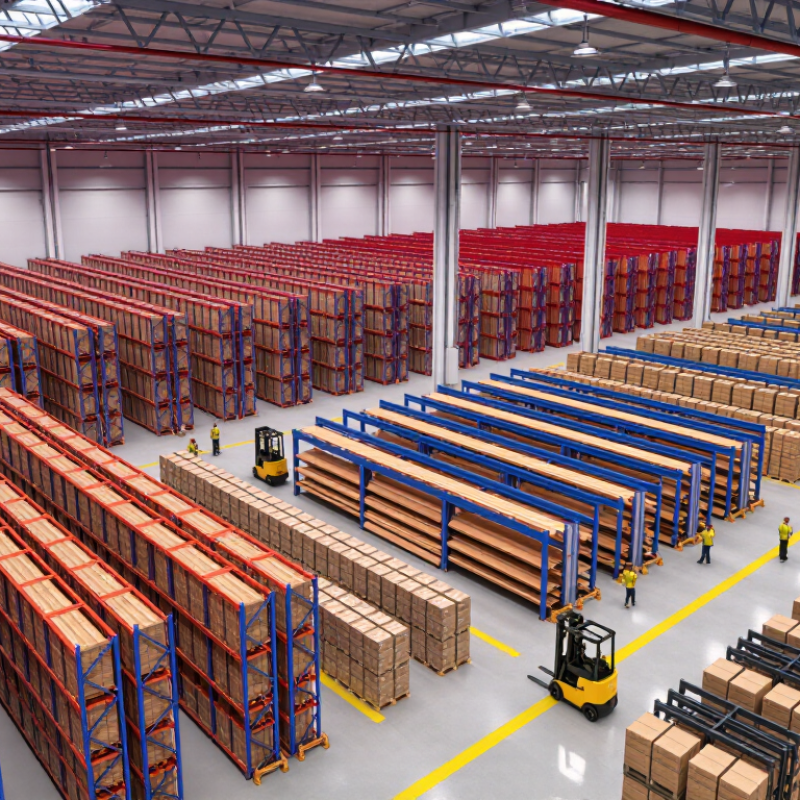
This guide examines ten practical racks for storage, including selective pallet racks, drive-in racks, cantilever racks, carton flow racks, and mobile systems. Each option serves a different purpose. Selective racks support fast access. Cantilever racks suit long materials. Mobile racks can increase capacity where floor space is limited.
The details matter. Measure beam height, aisle width, load weight, and ceiling clearance before choosing equipment. Consider forklifts, hand trucks, sprinkler systems, and emergency routes. A strong layout should also allow inspections and future changes.
There is no universal “best” rack. That claim would be convenient, but misleading. Even an experienced warehouse planner can misjudge seasonal demand or product growth. Our comparison therefore focuses on real operating conditions, not attractive catalog photographs.
The goal is practical guidance. You should finish with clearer choices, safer questions for suppliers, and fewer expensive surprises. Some recommendations may still require adjustment. Warehouses change. Good storage planning must change with them.
What Defines a High-Quality Storage Rack?
What Are the Top 10 Racks for Storage?
What Defines a High-Quality Storage Rack?
A high-quality storage rack begins with accurate load planning. Its beams, uprights, and shelves must support the stated weight safely. The structure should remain stable when items are placed unevenly. Strong welds matter. So does precise assembly.
Good racks use durable steel and a suitable protective finish. Powder coating can resist scratches, moisture, and daily handling. However, coating alone cannot fix weak joints or poor installation. Check the base plates, locking pins, and floor anchors carefully. Small gaps can become serious problems under repeated loading.
Adjustability also defines practical quality. Selective pallet racks need movable beams for changing inventory. Cantilever racks require balanced arms for long materials. Boltless shelving should lock firmly without difficult tools. Smooth access reduces lifting strain and speeds up stock checks. Clear labels improve reliability.
Tips: Check the load rating before buying. Inspect every connection after assembly. Keep heavy goods on lower levels. Leave enough aisle space for safe movement.
A rack should fit the room, not just the product list. Measure ceiling height, aisle width, floor condition, and emergency access. No design is perfect. A cheaper frame may seem efficient, yet frequent adjustments can expose hidden weaknesses. Regular inspections remain necessary, even with premium materials.
What Are the Top 10 Racks for Storage? - What Defines a High-Quality Storage Rack?
| Rank | Rack Type | Best-Suited Storage | Typical Load per Level | Typical Bay Size (W × D × H) | Access and Selectivity | Key Quality Indicators |
|---|---|---|---|---|---|---|
| 1 | Selective Pallet Rack | Mixed pallets and frequent SKU access | 1,000–4,000 kg | 2.4–3.6 m × 1.0–1.2 m × 3.0–10.0 m | Direct access to every pallet; very high selectivity | Engineered upright frames, locked beam connectors, load plaques, level installation, and impact protection |
| 2 | Double-Deep Pallet Rack | Higher density for medium-turnover pallet inventory | 1,000–3,500 kg | 2.4–3.6 m × 1.8–2.4 m × 4.5–10.0 m | Front pallet access; lower selectivity than single-deep rack | Accurate beam alignment, guided forklift operation, reinforced frames, and suitable load-depth design |
| 3 | Drive-In Rack | Large quantities of similar products | 500–1,500 kg per pallet position | 2.7–3.6 m × 4.0–12.0 m × 4.5–10.0 m | High density; limited selectivity and controlled loading sequence | Heavy-duty rails, braced frames, protected entry points, pallet compatibility, and clear operating tolerances |
| 4 | Push-Back Rack | LIFO storage with multiple pallets per lane | 800–1,500 kg per pallet position | 2.7–3.6 m × 2.4–6.0 m × 4.5–10.0 m | One-sided forklift access; good density and moderate selectivity | Reliable carts or rollers, controlled lane slope, end stops, secure beams, and smooth load movement |
| 5 | Carton Flow Rack | Order picking, cartons, totes, and FIFO inventory | 100–500 kg per level | 1.2–2.7 m × 0.6–1.2 m × 1.8–3.0 m | Front picking with rear replenishment; high FIFO suitability | Smooth rollers, adjustable dividers, load stops, ergonomic picking height, and durable labels |
| 6 | Cantilever Rack | Long, bulky, or irregular materials | 250–1,500 kg per arm | 1.2–2.4 m × 0.6–1.2 m × 2.4–6.0 m | Open-front access; excellent for long loads | Stable base, correctly sized arms, end lips, bracing, even load distribution, and clearly posted capacity |
| 7 | Mobile Shelving Rack | Archives, records, small parts, and space-constrained storage | 60–300 kg per shelf | 0.9–1.2 m × 0.3–0.6 m × 1.8–2.4 m per section | One access aisle opened as needed; high space efficiency | Stable floor tracks, anti-tip features, positive locking, smooth drive operation, and evenly distributed loads |
| 8 | Longspan Shelving | Hand-loaded cartons, bins, and medium-sized components | 150–600 kg per level | 0.9–2.4 m × 0.45–0.9 m × 1.8–3.0 m | Front access; flexible layout for manual picking | Rigid frames, secure shelf clips, reinforced panels, adjustable levels, and deflection control |
| 9 | Wire Shelving Rack | Food service, healthcare, clean areas, and general storage | 100–350 kg per shelf | 0.9–1.8 m × 0.45–0.6 m × 1.5–2.4 m | Open access from one or both sides; good visibility and airflow | Corrosion-resistant finish, adjustable leveling feet, secure shelf collars, smooth surfaces, and stable bracing |
| 10 | Mezzanine Storage Rack | Vertical expansion for cartons, work areas, and light industrial inventory | 250–1,000 kg per m², subject to engineering design | Platform height typically 2.4–5.0 m; layout is site-specific | Access by stairs, gates, lifts, or conveyors; high usable volume | Structural calculations, verified floor capacity, guardrails, toe boards, stairs, gates, and compliant emergency access |
Related Posts
-
What Is the Best Type of Racks for Storage?
-
Reliable Quality Storage Solutions from China for Global Use in Efficient Rack Systems
-
Maximize Your Space with Innovative Racks for Storage That Enhance Organization and Efficiency
-
2025 Top Digital Shelves for Storage Enhance Organization and Maximize Space Efficiency
-

Creative Uses for Racks Shelves in Small Spaces to Maximize Storage Solutions
-

Why Choosing the Right Racks Shelves Matters for Your Business?